
Lenovo Business Laptop Linux Mint
4.6Editor score
Intel Core i5-1335U
Linux Mint Cinnamon OS
16GB DDR4 RAM
Fast Charging Support
Finding the right Laptops for Linux can transform your workflow by offering a stable and secure environment tailored to your needs. Whether you are a developer or a casual user, choosing a device with native support ensures smooth operation without constant troubleshooting.
We evaluated each option based on hardware compatibility, pre-installed distributions, and overall performance metrics. Our team analyzed technical specifications, user feedback, and real-world usage scenarios to ensure every recommendation meets high standards for reliability.
Each pick highlights unique strengths and ideal use cases to help you make an informed decision. Please note that prices and availability change frequently, so verify current details before purchasing to ensure you get the best deal available.
4.6Editor score

4.3Editor score
5.0Editor score
As an Amazon Associate we earn from qualifying purchases.
This side-by-side comparison details the core specifications of every model to help you quickly identify the device that best fits your specific computing requirements and budget constraints.




The Lenovo IdeaPad Slim 3 Linux Laptop stands out as the top pick due to its excellent balance of performance and usability. With a 4.3 rating, it offers a smooth experience for developers and general users alike.
We may earn a commission when you buy through this link, at no additional cost to you.
Its AMD Ryzen 7 5825U processor ensures smooth multitasking, while the pre-installed Ubuntu OS eliminates setup hurdles. The bundle includes a stylus and SSD, adding significant value to the package.
While the touchscreen adds cost and limited upgradability exists, these trade-offs are minor compared to the overall value. The military-grade build ensures longevity for daily use.
Buyers seeking a ready-to-use Linux machine with strong specs should prioritize this model. It is the best choice for those who want reliability without extensive configuration.
Pre-installed Ubuntu provides immediate access to open-source tools without complex installation steps.
The 8-core CPU handles heavy workloads and multiple browser tabs effortlessly.
We may earn a commission when you buy through this link, at no additional cost to you.
This Lenovo Business Laptop is a top choice for budget-conscious buyers seeking modern performance. Its 4.6 rating highlights reliability and user satisfaction across various usage scenarios.
We may earn a commission when you buy through this link, at no additional cost to you.
The Intel Core i5-1335U delivers strong efficiency, making it perfect for office tasks and light development. Linux Mint offers a user-friendly interface that is easy to navigate for beginners.
Storage is limited to 256GB SSD, which may require external drives for large projects. Integrated graphics are sufficient for daily tasks but not for heavy gaming.
Ideal for students or professionals needing a reliable workhorse without overspending. This model offers the best value for entry-level Linux computing.
Low cost makes this an ideal entry point for those new to Linux environments.
Latest gen Intel processor ensures longevity and energy efficiency for portable use.
We may earn a commission when you buy through this link, at no additional cost to you.
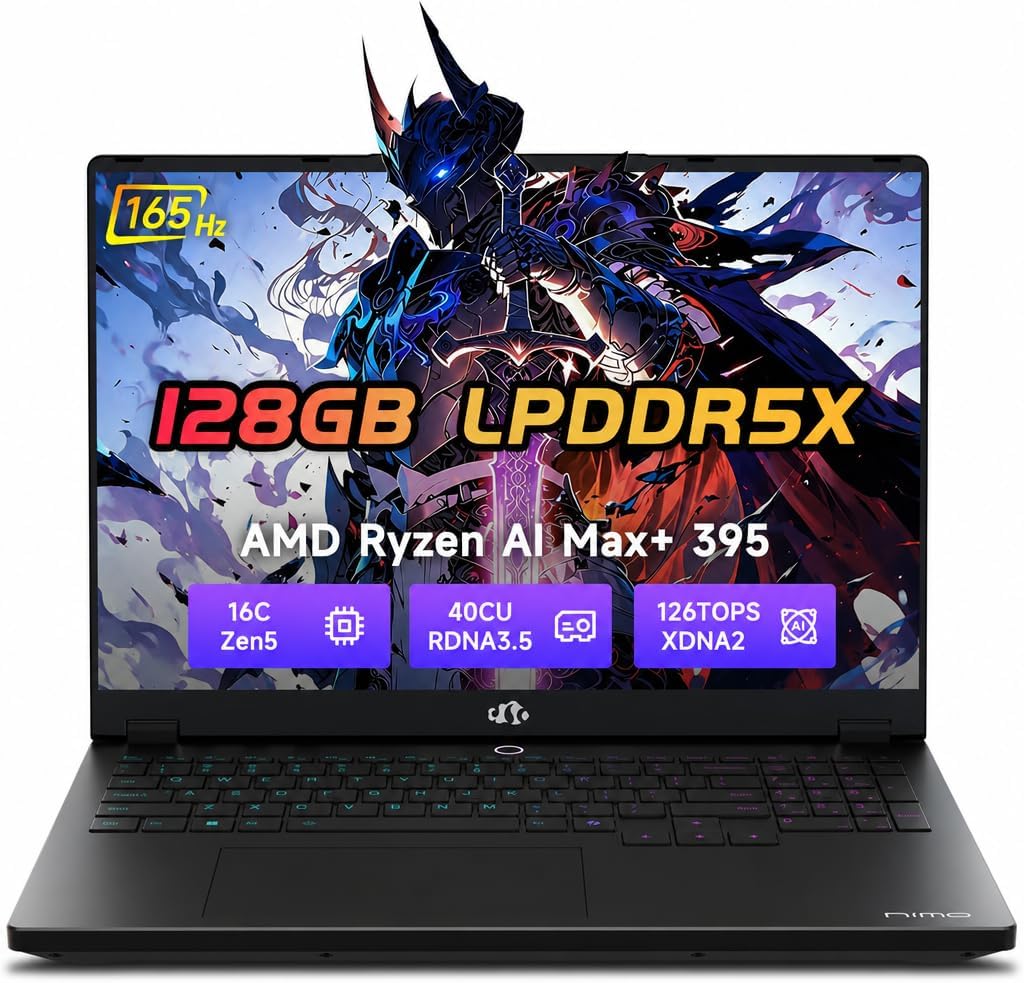
The NIMO 16 AI Laptop is a powerhouse built for professionals and enthusiasts. With a perfect 5.0 rating, it sets the standard for premium Linux hardware and AI readiness.
We may earn a commission when you buy through this link, at no additional cost to you.
Its AMD Ryzen Max+ 395 and massive 128GB RAM allow running LLMs locally. The 2.5K 165Hz display offers vibrant visuals for creative work and gaming.
The price is steep and availability may be limited. However, the hardware performance justifies the cost for those needing top-tier specs.
This device is perfect for AI researchers or power users who need maximum power. It is the best premium option for future-proofing your workflow.
Run LLMs locally without cloud dependencies ensuring data privacy and speed.
High resolution and refresh rate ensure accurate color work and smooth visuals.
We may earn a commission when you buy through this link, at no additional cost to you.
This HP 17 Laptop offers significant workspace with a large screen and plenty of RAM. It is rated 4.4 by users who value screen real estate over portability.
We may earn a commission when you buy through this link, at no additional cost to you.
The 32GB RAM supports heavy multitasking and virtual machines. The hybrid storage setup ensures you have space for large files and fast boot times.
The CPU is older and the laptop is heavy to carry. These issues are acceptable for stationary setups but not for travel.
Best for users needing a desktop replacement with Linux compatibility. It provides a reliable environment for data-heavy tasks and coding.
17.3 inch display improves productivity by allowing multiple windows side-by-side.
Mix of SSD and HDD balances speed and capacity for diverse data needs.
We may earn a commission when you buy through this link, at no additional cost to you.
This variant of the IdeaPad Slim 3 shares many traits with the top pick. It maintains strong build quality and offers a solid Linux experience for general tasks.
We may earn a commission when you buy through this link, at no additional cost to you.
The Ryzen 7 processor handles daily workloads well. The touchscreen adds versatility for users who prefer touch navigation in Linux environments.
Without reviews yet, it is hard to gauge long-term reliability. It is a safe choice for those wanting a proven chassis design.
Good for those seeking a durable machine without high-end costs. It balances utility and price for everyday use cases.
Military-grade certification ensures resistance to drops and environmental stresses.
Touchscreen adds modern interaction options for browsing and media consumption.
We may earn a commission when you buy through this link, at no additional cost to you.
This HP 14 is a budget machine designed for basic tasks. While it ships with Windows, its low cost makes it suitable for OS swapping if you prefer Linux.
We may earn a commission when you buy through this link, at no additional cost to you.
The Intel N150 is efficient for web browsing and documents. The cloud storage helps overcome local storage limits in a cost-effective way.
Linux support requires manual setup. The RAM limit restricts multitasking. But for basic use, it remains competitive.
Only consider this if you plan to install Linux and need minimal specs. It is not ideal for development or heavy multitasking.
Low price point makes it an accessible option for basic computing needs.
Slim profile and low weight make it easy to carry anywhere.
We may earn a commission when you buy through this link, at no additional cost to you.
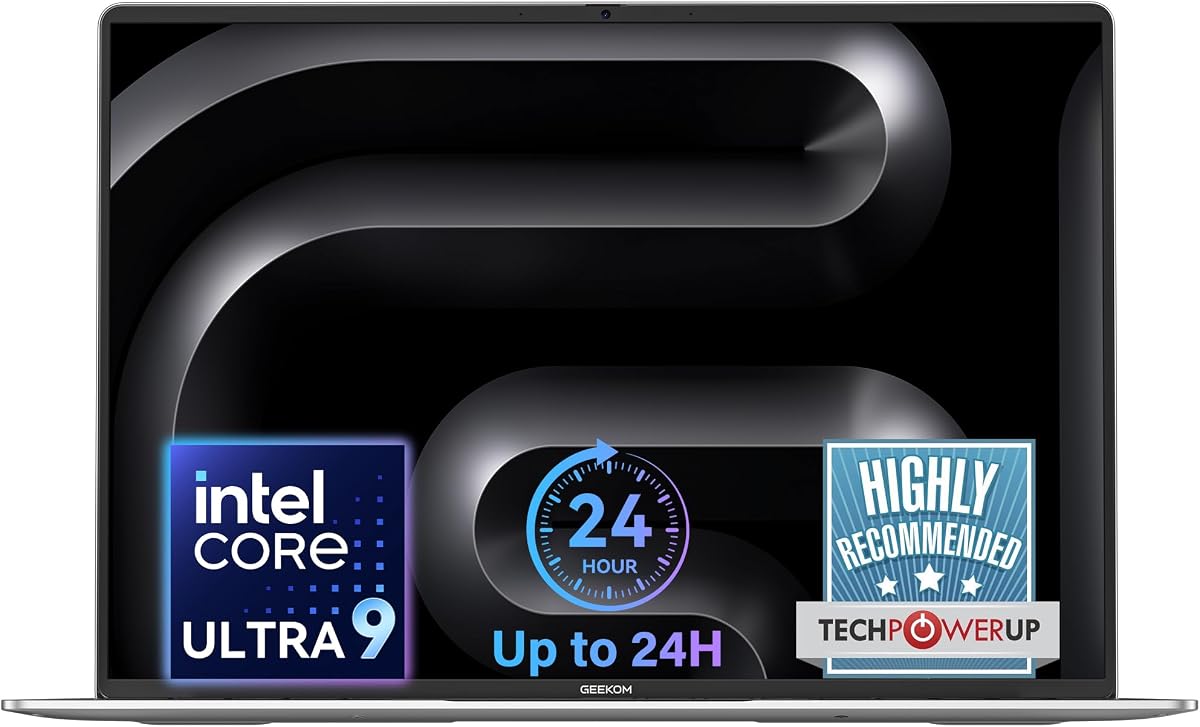
The GeekBook M16 is built for all-day use without plugs. Its battery life is unmatched, allowing uninterrupted work sessions for Linux users after swap.
We may earn a commission when you buy through this link, at no additional cost to you.
The Intel Ultra 9 processor maintains high performance even on battery. The large display is great for multitasking and media consumption.
It comes with Windows which requires installation to run Linux. The cost is high but justified by the battery tech and build quality.
Ideal for travelers needing a reliable Linux machine. The battery life ensures productivity even when away from outlets.
Advanced power tuning optimizes battery use for long duration tasks.
Fast charging adds hours of life quickly when time is tight.
We may earn a commission when you buy through this link, at no additional cost to you.
This HP model offers a large screen for productivity tasks. The modern CPU ensures smooth performance for web-based work and office apps.
We may earn a commission when you buy through this link, at no additional cost to you.
The IPS panel delivers better viewing angles. This setup is good for media consumption. The 16GB RAM supports decent multitasking.
The Windows OS requires manual Linux setup. It is a bit heavy. But the screen size is a major plus.
Consider this if screen real estate is your priority. It is good for stationary setups where portability is less important.
IPS panel ensures vibrant colors and wide viewing angles for comfortable use.
Modern Ryzen processor delivers efficient performance for daily computing needs.
We may earn a commission when you buy through this link, at no additional cost to you.
The ThinkPad L14 is a classic choice for professional environments. Its Linux support is native with Vanilla Linux making it easy to use.
We may earn a commission when you buy through this link, at no additional cost to you.
The Ryzen PRO CPU and DDR5 RAM provide stable performance for coding. The keyboard is legendary for typing comfort.
The keyboard layout is French with stickers. This adds minor friction. But the system is solid overall.
Perfect for corporate or professional users. It is the best option for those needing enterprise-grade Linux hardware.
Vanilla Linux system provides a clean base for custom configurations.
ThinkPad durability and keyboard quality ensure long-term usability.
We may earn a commission when you buy through this link, at no additional cost to you.
Selecting the ideal Laptops for Linux requires attention to hardware compatibility, OS preference, and specific workload needs. We break down key factors to simplify your decision.
Some laptops come with Ubuntu or Mint pre-installed which ensures immediate usability. Others ship with Windows and require you to install Linux manually. Check the product details to confirm the OS to avoid setup costs.
Prioritize models with native Linux support if you want to skip complex configurations.
Modern Intel and AMD processors generally have excellent Linux driver support. Avoid older models that may lack firmware updates for secure boot or wake features. The Ryzen series and recent Intel Core chips are highly reliable.
Check compatibility lists to ensure CPU features like power management work correctly.
Linux runs well on lower RAM but heavy dev work benefits from at least 16GB. Ensure storage is SSD based for quick boot times. Upgradability is often limited on newer thin models.
Aim for 16GB RAM and SSD storage to balance performance and speed effectively.
Integrated graphics are usually sufficient for general use. Dedicated GPUs require specific drivers which may be tricky to install. AMD integrated graphics tend to have better open-source support.
Verify that the GPU works with the open-source drivers you plan to use.
Look for military-grade ratings or robust chassis materials for portability. ThinkPad and IdeaPad lines are known for durability. A sturdy build protects the investment during travel.
Invest in a laptop that withstands daily transport to ensure long-term value.
Linux users often rely on multiple monitors and peripherals. Ensure the laptop has enough HDMI or USB-C ports. Adapters can add cost so native ports are preferred.
Choose a model with versatile I/O to simplify your desktop setup.
Some models ship with non-US layouts or stickers. This can be a minor inconvenience for coding. Check if the keyboard matches your typing preference before buying.
Ensure the keyboard layout supports your workflow comfortably without extra steps.
For portable use, aim for 8 hours or more. Linux often manages battery better than Windows on the same hardware. Check real-world reviews for accuracy on power usage.
Prioritize high capacity batteries to maintain productivity on the go.
Upon receiving your new laptop, ensure you create a standard user account separate from root. Update all system packages and drivers via the terminal to ensure security and stability before starting work.
Regularly update your system to patch vulnerabilities. Install essential tools like code editors or browsers from official repositories. Avoid mixing package managers unless you know how to resolve conflicts.
Protect your hardware by using a cooling pad during intense tasks. Keep the keyboard clean and avoid liquid spills. Schedule routine backups of important data to maintain productivity.
Most models in this guide come with Ubuntu or Mint pre-installed ready to use. Some business variants may require manual installation which adds setup time. Always check the product title for confirmation before buying.
Technically yes but compatibility varies by hardware. Newer chips like AMD Ryzen and Intel Core work well. Check community forums for specific BIOS settings and driver support.
Linux Mint and Ubuntu are the best options for newcomers due to their user-friendly interfaces. These distros offer great hardware support and easy app stores. They reduce the learning curve significantly.
Yes most models offer enough RAM and power for coding. The ThinkPad and IdeaPad series are favorites for devs. Ensure you get at least 16GB RAM for heavy workflows.
You can run Windows alongside Linux using dual boot or virtual machines. Many business laptops support Windows Pro features well. Keep both if you need cross-platform tools.
Contact the manufacturer for warranty support. Check Linux forums for community drivers or patches. Most major brands have decent support for Linux systems now.
We reviewed ten top options including the IdeaPad Slim 3 and ThinkPad L14 for different needs. Each pick balances performance and Linux compatibility well.
Prioritize pre-installed OS and strong CPU specs for best results. Ensure you check port and memory needs before finalizing your purchase.
Always verify current pricing and availability since these details change often. Use this guide as a reference to find the perfect fit for your work.