
Serundo Auto Digital Hygrometer Thermometer Indoor/Outdoor Hygrometer 2PC
4.5Editor score
Fast 10 second refresh
Fahrenheit or Celsius swap
Compact portable design
This guide compares the top ten hygrometer for incubator models available in October 2026 to help you choose the best humidity and temperature monitor for
Maintaining precise environmental conditions is critical for successful egg incubation. A reliable hygrometer for incubator ensures you track humidity levels accurately, preventing issues like dehydration or excessive moisture that can harm developing embryos.
We evaluated ten highly rated digital hygrometers designed for incubators and similar environments. Our analysis focused on accuracy, ease of reading, remote probe capabilities, and durability to identify the most effective tools for hatchery management.
Each pick below highlights key features, pros, and cons based on user feedback and technical specifications. Note that product availability and pricing may change over time, so always verify details before purchasing your monitoring equipment.
4.5Editor score

4.4Editor score

4.6Editor score
The following table provides a side-by-side comparison of all ten selected hygrometers. Review each product's key specifications to find the right match for your specific incubation needs.



The IncuTherm™ Plus Digital Thermometer and Hygrometer is our top pick for incubators due to its remote probe capability. This feature allows you to keep the display outside while the sensor monitors the internal environment, ensuring accurate readings without opening the incubator.
We may earn a commission when you buy through this link, at no additional cost to you.
Its Min/Max memory function is particularly valuable for tracking fluctuations over time. By reviewing the highest and lowest recorded values, you can identify potential issues before they impact hatch rates. The large digital display ensures you can check conditions quickly even in low light.
While highly accurate, users should note that the display can sometimes be sensitive to direct sunlight or glare. Additionally, while a battery is included, having a spare on hand is advisable for long incubation periods. These minor trade-offs are outweighed by the convenience and precision.
We recommend this device for anyone seeking a reliable all-in-one solution for incubation monitoring. Whether you are a hobbyist or managing a larger setup, the IncuTherm™ Plus provides the stability and data tracking necessary for successful hatching.
The remote probe allows for precise internal monitoring without disrupting the incubator's environment during checks.
Min/Max memory helps identify subtle fluctuations that could compromise embryo development over the incubation cycle.
We may earn a commission when you buy through this link, at no additional cost to you.
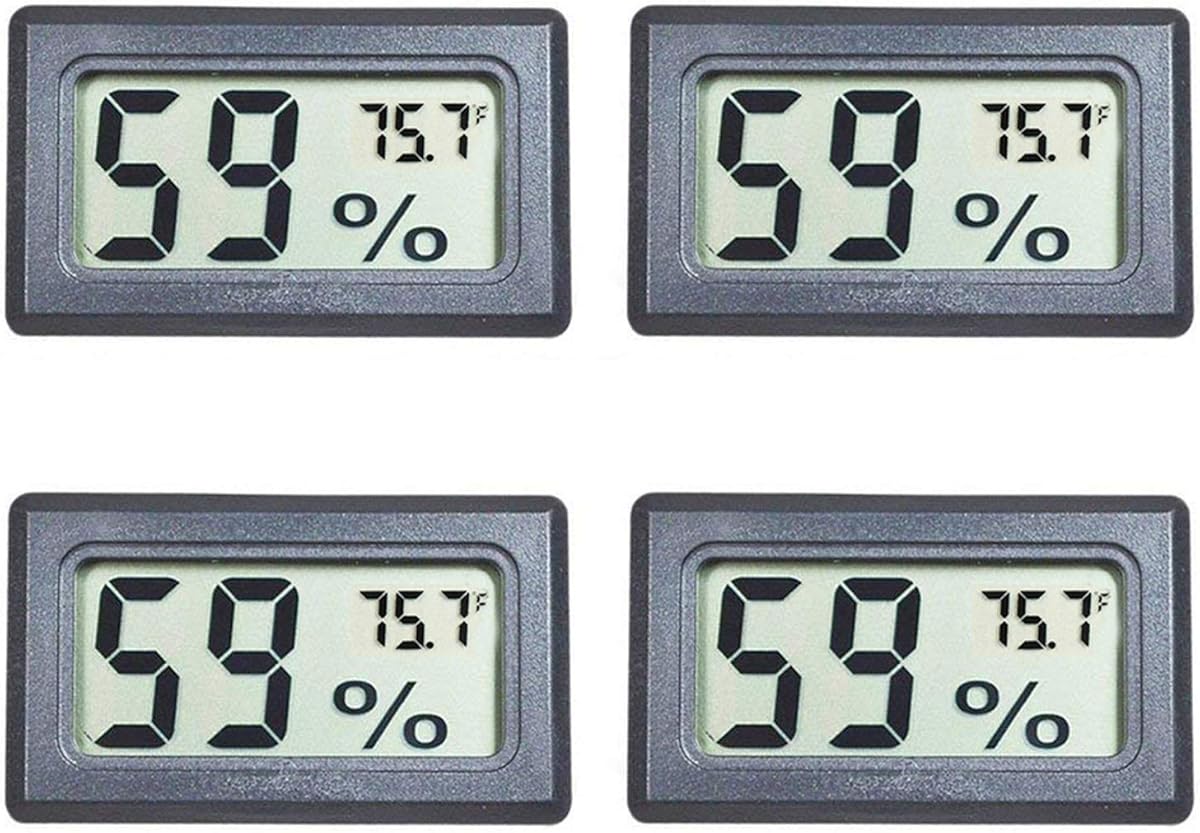
The Serundo Auto Digital Hygrometer offers exceptional value for its price point. This two-pack allows you to monitor multiple zones or keep a backup unit ready. Its fast refresh rate ensures you get near real-time updates on your incubator's climate conditions.
We may earn a commission when you buy through this link, at no additional cost to you.
Despite its low cost, the accuracy remains competitive with higher-end models. The ability to switch between Fahrenheit and Celsius makes it versatile for different regions. Users appreciate the small form factor, which fits easily into tight spaces inside incubators.
The lack of a remote probe is the main limitation, requiring the unit to be placed inside the incubator. This might slightly affect airflow or require careful placement. However, the convenience of the compact design often outweighs this drawback for smaller units.
For budget-conscious breeders or those needing multiple monitors, the Serundo Auto is an excellent choice. It provides reliable data without a significant financial investment, making it ideal for home incubation setups.
This affordable option delivers essential humidity tracking without the premium price tag of specialized incubation tools.
The ten-second refresh cycle keeps you informed of rapid environmental shifts inside the incubator environment.
We may earn a commission when you buy through this link, at no additional cost to you.
The TempPro TempAir distinguishes itself with premium features like the face icon comfort indicator. This visual cue simplifies monitoring by showing DRY, COMFORT, or WET status instantly. It is particularly helpful for quickly assessing conditions without interpreting raw numbers.
We may earn a commission when you buy through this link, at no additional cost to you.
Its high accuracy sensors make it suitable for precise incubation environments where slight deviations matter. The three-way mount options allow flexible placement on walls, shelves, or magnetic surfaces. The compact display ensures readability from any angle.
While it lacks a remote probe, the device's high accuracy mitigates this somewhat if placed correctly. The price is higher than basic models, but the build quality and user-friendly design justify the investment for serious hobbyists.
We recommend the TempPro TempAir for those who prioritize user interface and build quality. It turns complex data into simple visual feedback, ensuring optimal humidity levels are maintained with minimal effort.
The face icon system simplifies quick checks by showing current conditions at a glance.
Multiple mounting options ensure you can position the unit where it best fits your incubator layout.
We may earn a commission when you buy through this link, at no additional cost to you.
This 4-pack offers a convenient way to monitor multiple incubators or different zones within a single setup. Each unit features a built-in probe for better accuracy. The compact size ensures they fit even in small incubators without taking up much space.
We may earn a commission when you buy through this link, at no additional cost to you.
Battery life is impressive, lasting up to 18 months. This reduces maintenance frequency significantly. The wide temperature range makes these devices versatile for various applications beyond just incubation. Users appreciate the simplicity of operation.
The small display can be harder to read from a distance compared to larger models. Additionally, the lack of a remote probe means the unit must sit inside the incubator, potentially affecting airflow. Despite these limitations, the value is high.
Ideal for breeders managing multiple batches, this pack ensures you always have a backup unit available. The combination of accuracy and longevity makes it a reliable choice for consistent monitoring.
The four-pack configuration supports managing several incubators simultaneously without buying separate devices.
Battery lasting up to 18 months reduces the need for frequent replacements during incubation cycles.
We may earn a commission when you buy through this link, at no additional cost to you.
The IncuTherm Digital Display is designed for straightforward monitoring of incubation conditions. It combines temperature and humidity tracking in one device, simplifying the setup process. The large display ensures that readings are visible from a distance, which is useful in busy hatchery environments.
We may earn a commission when you buy through this link, at no additional cost to you.
Tracking Min/Max values helps identify fluctuations without needing constant observation. This historical data allows for timely adjustments to maintain optimal conditions. The flexibility to switch between Celsius and Fahrenheit adds to its usability.
Without a remote probe, the entire unit must be placed inside the incubator. This can be a limitation for some setups, but the simplicity often offsets this. It is a reliable device for those who prefer a no-frills approach.
We recommend this model for users seeking a balance between functionality and ease of use. It provides essential tracking features without unnecessary complexity, making it suitable for both new and experienced breeders.
This device streamlines the monitoring process by combining essential data into one easy-to-read display.
Min/Max memory helps you spot trends and adjust conditions before hatching issues arise.
We may earn a commission when you buy through this link, at no additional cost to you.
The TempPro TempAir features a unique comfort icon that simplifies monitoring. This visual indicator shows whether conditions are dry, comfortable, or wet, saving time on interpreting numbers. It is particularly useful for quick checks during incubation cycles.
We may earn a commission when you buy through this link, at no additional cost to you.
Its high accuracy ensures reliable readings for sensitive hatching processes. The device supports multiple mounting options, allowing flexible placement within the incubator. The compact design means it takes up minimal space, preserving room for eggs.
While priced higher than basic models, the user experience and reliability justify the cost. It lacks a remote probe, but the accuracy of the internal sensor compensates for this limitation in many setups.
We suggest this unit for those who value user-friendly interfaces and accurate data. It is an excellent choice for maintaining consistent conditions without needing complex setups.
Icons provide immediate status updates, allowing for rapid assessment of the incubator's environment.
Flexible mounting options help you place the device where it fits best within your incubator.
We may earn a commission when you buy through this link, at no additional cost to you.
This pack includes three units with probes, ideal for multi-incubator setups. The stainless steel probe provides a more durable and accurate measurement compared to standard sensors. Users appreciate the affordability of purchasing multiple units at once.
We may earn a commission when you buy through this link, at no additional cost to you.
The LCD display is easy to read, and the device supports both temperature and humidity monitoring. However, users must note the probe is not waterproof, limiting use to dry environments. This is suitable for incubators but not for aquatic setups.
Accuracy is good for general monitoring but slightly lower than premium models. The trade-off for the multi-pack value is acceptable for many hobbyists. It provides a reliable way to track conditions across different batches.
We recommend this pack for users needing multiple units for different incubators. The combination of durability and cost-effectiveness makes it a practical choice for expanding your monitoring capabilities.
Stainless steel probes offer longer-lasting performance compared to standard plastic or metal sensors.
A three-pack allows you to monitor different incubation zones without needing to buy individual units.
We may earn a commission when you buy through this link, at no additional cost to you.
The TempPro TP50 features a wellness indicator to visualize humidity levels instantly. Its high accuracy makes it reliable for precise incubation needs. The ability to track high and low records helps identify fluctuations that could affect hatch rates.
We may earn a commission when you buy through this link, at no additional cost to you.
The magnetic back allows easy placement on metal surfaces like incubator walls. This flexibility simplifies setup and ensures the device stays secure. The large display ensures clear visibility of data during checks.
While it lacks a remote probe, the internal accuracy and visual features compensate for this. Users appreciate the health-focused design, which can also benefit general home environment monitoring. It is a solid choice for versatile use.
We suggest this model for those who value visual feedback and accuracy. It offers a practical solution for maintaining optimal incubation conditions without unnecessary complexity.
The wellness icon simplifies data interpretation, making quick checks efficient and stress-free.
Magnetic mounting allows for easy installation on metal surfaces inside the incubator.
We may earn a commission when you buy through this link, at no additional cost to you.
This six-pack offers an exceptional value for breeders managing multiple incubation zones. Each unit features a built-in probe for enhanced precision. The fast refresh rate ensures timely updates on conditions, allowing for quick adjustments.
We may earn a commission when you buy through this link, at no additional cost to you.
The compact size allows placement in tight spaces without obstructing airflow. The wide testing range makes these devices versatile for various environments. Users appreciate the reliability and cost-effectiveness of purchasing a large batch at once.
The small display can be harder to read from a distance. Additionally, battery life varies based on usage. However, the sheer number of units included makes it easy to replace old ones when needed. It is an ideal solution for large setups.
We recommend this pack for extensive incubation operations. The combination of precision, affordability, and quantity ensures you have reliable monitoring across all your setups.
Buying six units at once reduces the cost per device significantly compared to purchasing individually.
The 10-second refresh ensures you do not miss sudden changes in temperature or humidity.
We may earn a commission when you buy through this link, at no additional cost to you.
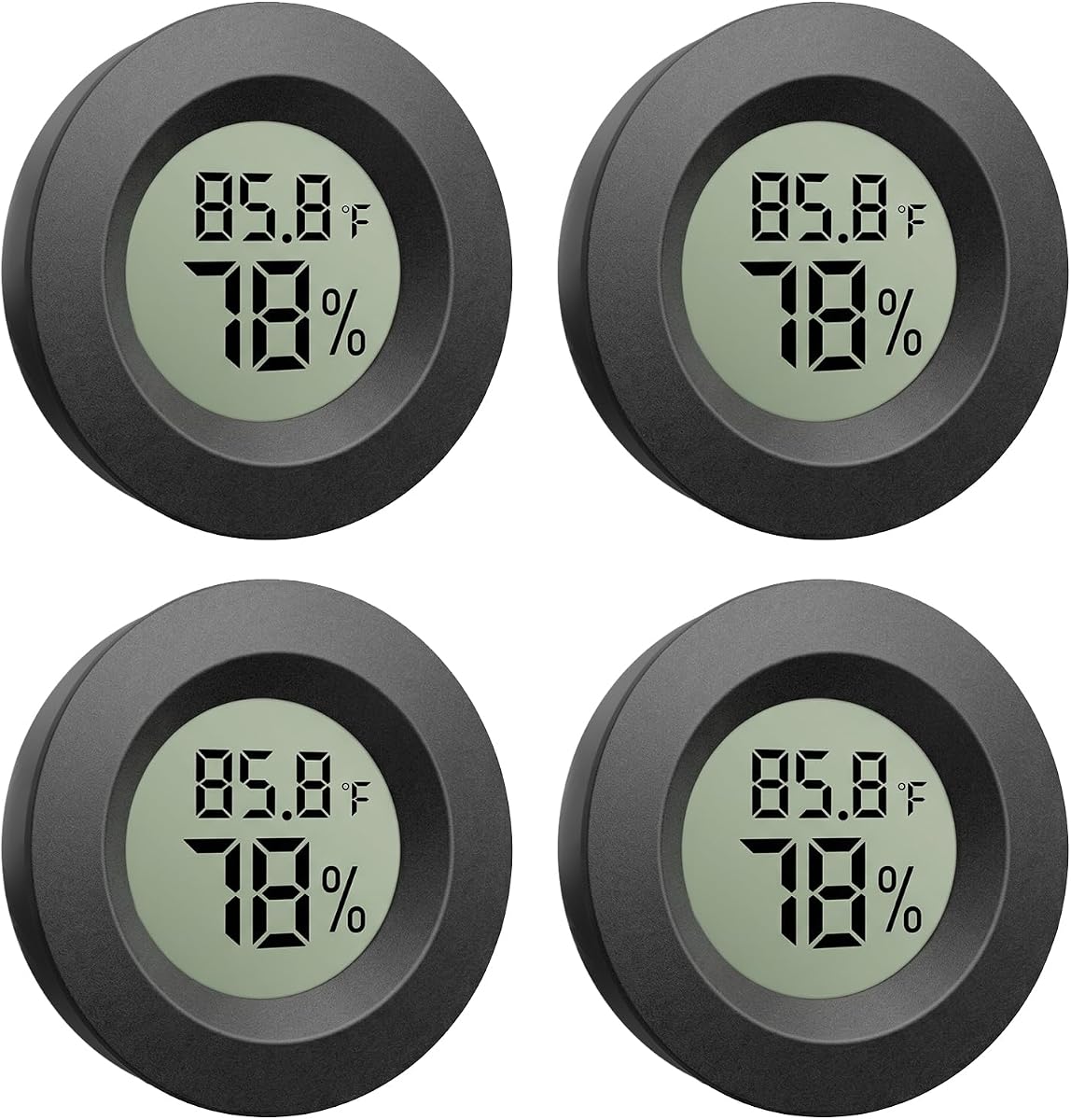
This 4-pack provides a practical solution for monitoring multiple incubation environments. The units offer dual Fahrenheit and Celsius settings, making them versatile globally. The embedded installation option allows for a clean setup using the included tape.
We may earn a commission when you buy through this link, at no additional cost to you.
Accuracy is sufficient for general incubation needs. The battery life is robust, reducing maintenance frequency. Users appreciate the ease of use and straightforward operation without complex setups. It is an excellent option for those starting with multiple incubators.
The basic accuracy and small display are trade-offs for the low price point. However, for many hobbyists, this value is acceptable. It provides enough reliability to maintain safe hatching conditions effectively.
We recommend this option for budget-conscious users managing multiple batches. It offers a reliable foundation for monitoring without breaking the bank.
The ability to switch between units ensures the device is useful regardless of your location.
Embedded installation options allow for discreet placement within the incubator environment.
We may earn a commission when you buy through this link, at no additional cost to you.
Selecting the right hygrometer involves balancing accuracy, features, and budget to ensure reliable incubation monitoring.
Accuracy is critical for maintaining the narrow humidity and temperature ranges required for hatching. Look for devices with at least ±2% RH accuracy for humidity and ±1°F for temperature to ensure conditions remain stable.
Higher accuracy ensures embryos develop correctly without the stress of environmental fluctuations that could compromise hatch rates.
Remote sensors allow you to keep the display outside the incubator, reducing the need to open the door and lose heat. Internal sensors require the device to sit inside, which may affect airflow or space.
Choose remote sensors for larger incubators and internal sensors if space and cost are primary concerns.
Devices with Min/Max memory help you track fluctuations over time. Some advanced models offer alerts or notifications if conditions go out of range, helping you respond quickly.
Data tracking features are essential for identifying recurring issues that might otherwise go unnoticed between checks.
A clear, large display with bold digits ensures you can read conditions without straining. Consider backlighting for low-light environments where incubators are often placed.
Visibility ensures that quick checks are efficient and do not compromise the incubator's climate during inspections.
Long battery life reduces maintenance. Devices using standard AA or AAA batteries often last months, while button cells may need more frequent replacement.
Prioritize devices with long battery life or rechargeable options to avoid interruptions during long incubation periods.
Look for versatile mounting options such as magnetic backs, stands, or wall clips. This allows flexibility in positioning the device for optimal accuracy and readability.
Secure mounting ensures the device remains stable and does not fall or shift during incubator maintenance.
Ensure the device supports both Fahrenheit and Celsius. This flexibility is useful if you reference data in different systems or share with others.
Unit conversion capability increases the device's longevity and usability across different regions and preferences.
Build quality affects the lifespan of the device. Look for materials that are resistant to humidity and corrosion, especially for the sensor parts.
Durable construction ensures reliable performance over multiple incubation cycles without needing frequent replacements.
Place the hygrometer in a location inside the incubator that is away from water sources and heating elements to avoid localized inaccurate readings. Ensure the sensor is exposed to the air but not blocked by eggs or trays.
Calibrate your device periodically using a salt test or compare it with a known accurate reference thermometer. This ensures readings remain accurate over time, especially after long periods of use or storage.
Regularly check and replace batteries to avoid unexpected device failure. Clean the display and sensor with a soft, dry cloth to remove dust or humidity buildup that might interfere with readings.
Humidity controls the rate at which water evaporates from the egg. Proper humidity prevents the embryo from drying out or being submerged in fluid, ensuring successful hatching. Deviations can lead to stuck chicks or abnormal development.
A remote probe is convenient for monitoring without opening the incubator door. Internal sensors are simpler and often cheaper. Choose based on your incubator size and whether you need to keep the display outside.
Aim for at least ±2% RH accuracy for humidity and ±1°F for temperature. These tolerances help maintain the narrow ranges required for different species of eggs during various incubation stages.
Yes, most hygrometers can measure any egg type. However, different species require different humidity settings, so ensure your device allows you to track and adjust accordingly for each batch.
Check the hygrometer at least twice daily during incubation. During hatching, more frequent checks are recommended. Frequent monitoring helps identify fluctuations before they impact hatch success.
You can calibrate using a salt test by placing the device in a sealed container with salt and water. Alternatively, compare readings with a known accurate device to adjust or note the offset.
Aim for at least several months of battery life to avoid interruptions during long incubation cycles. Rechargeable or high-capacity batteries are ideal for reducing maintenance frequency.
We highlighted ten reliable options for monitoring incubator humidity and temperature. Each device offers unique strengths, from remote probes to budget-friendly multi-packs.
Prioritize accuracy and ease of use based on your specific setup. Reliable data tracking and visibility are key to ensuring successful hatch outcomes.
Prices and availability may change. Check current listings to confirm product details and ensure you select the right model for your incubation needs.