
Panasonic Toughbook CF-31 MK5
3.9Editor score
MIL-STD-810G Certified
Integrated 4G LTE
Sunlight Readable Screen
Discover the top Linux laptops for developers and power users. We compare performance, hardware compatibility, and open-source support across ten models.
Linux laptops offer a powerful alternative to mainstream operating systems, providing enhanced security and customization. Whether you are a developer or a privacy advocate, finding the right machine is essential for productivity.
We evaluated ten top models based on processor speed, memory capacity, and display quality. Our analysis focuses on hardware compatibility and pre-installed distributions to ensure a smooth out-of-box experience.
Each pick highlights specific strengths like rugged durability or AI processing power. Prices and availability fluctuate frequently, so always verify current listings before making your final purchasing decision.
3.9Editor score

4.6Editor score
5.0Editor score
This side-by-side comparison highlights the core specifications of each selected model to help you identify the best fit for your specific workflow needs and budget constraints.


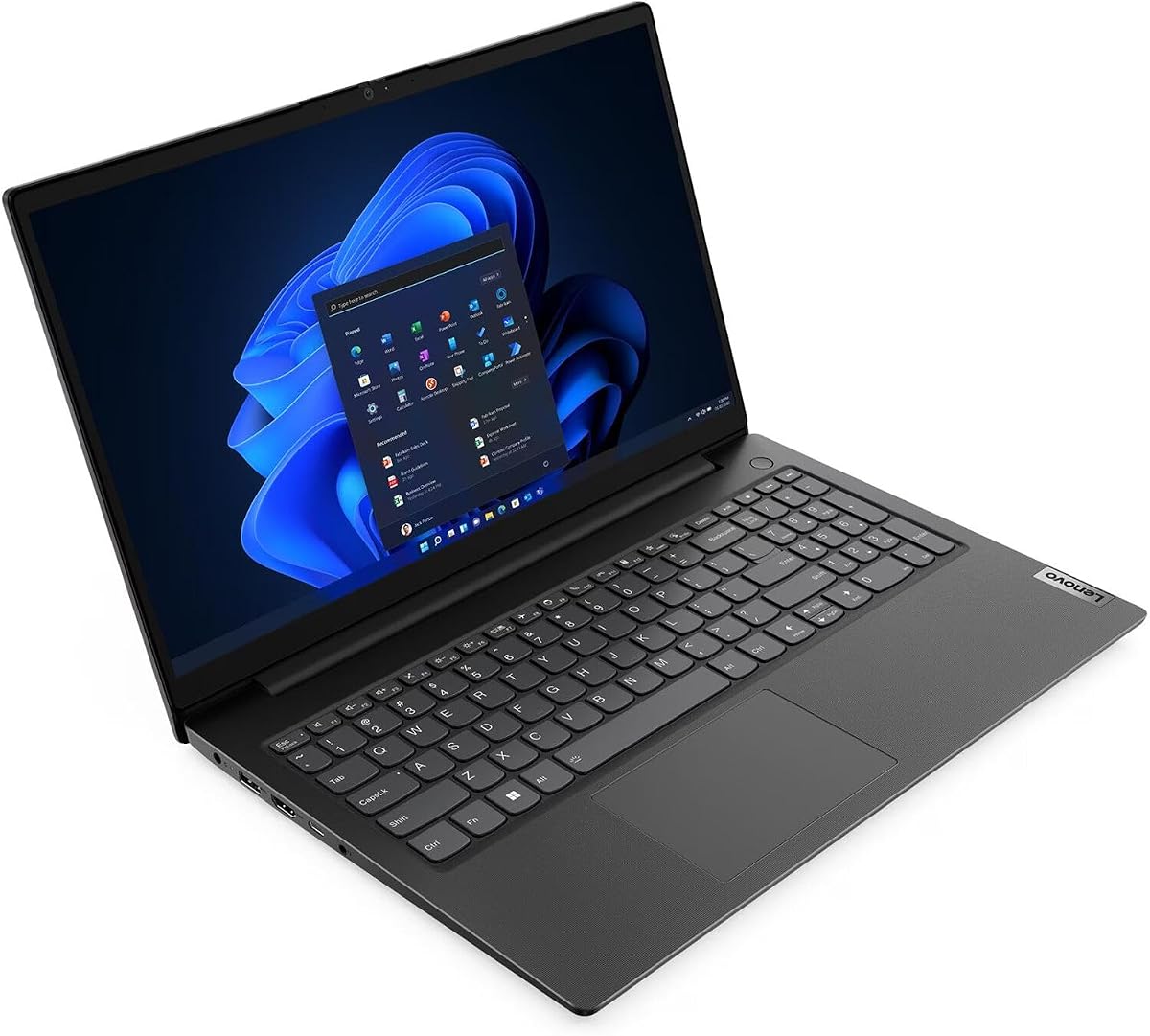
This Lenovo Business Laptop stands out as a top contender for Linux enthusiasts seeking a reliable daily driver. With a strong rating of 4.6 stars, it offers a seamless experience right out of the box thanks to its pre-installed Linux Mint Cinnamon environment.
We may earn a commission when you buy through this link, at no additional cost to you.
The device is powered by an Intel Core i5-1335U processor which provides ample power for multitasking and development work. Coupled with 16GB of DDR4 RAM, users can run multiple virtual machines or heavy IDEs without significant lag or performance drops.
While the 256GB SSD might seem modest compared to higher-end models, it ensures fast boot times and responsive application loading. The 15.6 inch FHD display offers a comfortable workspace for coding sessions, though users needing touch capabilities should look elsewhere.
Ideal for professionals who need a secure and stable environment, this laptop delivers solid value. Its fast charging feature ensures you stay productive during long workdays without constantly hunting for a power outlet.
Pre-installed Linux Mint ensures no hassle with driver installation or system configuration upon unboxing.
Fast charging technology allows you to quickly top up your battery during short breaks or commutes.
We may earn a commission when you buy through this link, at no additional cost to you.
The Lenovo IdeaPad Slim 3 Touchscreen Laptop brings significant value to those needing a tactile interface with their Linux setup. Rated at 4.0 stars, it combines an 8-core AMD Ryzen 7 processor with a responsive touchscreen for a versatile user experience.
We may earn a commission when you buy through this link, at no additional cost to you.
Performance is handled by the Ryzen 7 5825U which delivers smooth multitasking capabilities. The inclusion of a 1TB SSD provides generous space for development environments and large datasets without needing external drives immediately.
This model comes bundled with useful accessories like a stylus pen and a USB hub, enhancing its utility for creative tasks. The Ubuntu Linux pre-installation ensures a clean, bloatware-free starting point for power users.
While the rating is slightly lower than some competitors, the package deal makes it attractive for students and professionals alike. Its military-grade build quality adds a layer of protection that justifies its position on this list.
Includes stylus pen, external portable SSD, and USB hub for immediate expanded connectivity and input options.
Designed with military-grade durability standards to withstand drops and harsh conditions during travel.
We may earn a commission when you buy through this link, at no additional cost to you.
This version of the Lenovo IdeaPad Slim 3 focuses purely on delivering a solid Linux experience with touch capabilities. It shares the powerful Ryzen 7 5825U processor with its counterpart but may appeal to those looking for a simplified purchasing process.
We may earn a commission when you buy through this link, at no additional cost to you.
The 15.6 inch Full HD touchscreen ensures interactive control over your desktop environment. TÜV Low Blue Light certification makes extended use more comfortable by reducing eye strain during late-night coding or research sessions.
Connectivity is robust with multiple USB ports and an SD card reader built in. The privacy shutter on the webcam provides peace of mind for professionals working in shared spaces or home offices.
While user ratings are not explicitly listed, the hardware specifications align with industry standards for mid-range laptops. It serves as an excellent choice for those needing touch functionality without compromising on core performance.
TÜV Low Blue Light certified display reduces eye fatigue during prolonged usage sessions.
Built-in privacy shutter on the webcam ensures your camera is off when not in use.
We may earn a commission when you buy through this link, at no additional cost to you.
The Panasonic Toughbook CF-31 MK5 is a unique entry designed specifically for field workers and industrial applications. With a rating of 3.9, it prioritizes durability over sleekness, offering rugged capabilities that few consumer laptops can match.
We may earn a commission when you buy through this link, at no additional cost to you.
Its MIL-STD-810G certification means it can survive drops, heavy rain, and extreme vibrations. The 1200-nit sunlight readable screen ensures visibility outdoors, which is critical for remote site inspections or construction management tasks.
Connectivity includes legacy ports like RS-232 which are essential for connecting to industrial machinery or diagnostic tools. The integrated 4G LTE modem provides true mobile freedom without relying on external hotspots or Wi-Fi availability.
While the processor is older, it suffices for specific diagnostic or control tasks. For users needing a reliable machine in harsh environments, this rugged laptop offers value that outweighs its higher weight and age.
Built to survive six-foot drops and heavy rain ensuring reliability in harsh industrial environments.
Features native RS-232 serial ports for direct connection to industrial machinery and legacy devices.
We may earn a commission when you buy through this link, at no additional cost to you.
The Lenovo ThinkPad L14 Gen 5 offers a modern business experience with updated hardware standards. Although specific ratings are not available, the inclusion of DDR5 RAM and a Ryzen 5 PRO processor indicates strong performance potential for professional workflows.
We may earn a commission when you buy through this link, at no additional cost to you.
Its Vanilla Linux system ensures a clean environment without pre-installed bloatware that could interfere with development tools. The 14-inch WUXGA display provides a sharp 16:10 aspect ratio which is excellent for viewing multiple lines of code side by side.
Security features include a fingerprint reader integrated with the power button and a Kensington lock slot. The backlit keyboard supports comfortable typing in low-light environments such as conference rooms or home offices.
Note that the keyboard layout comes from French but includes English stickers. This may require an adaptation period for some users but does not affect the underlying hardware capabilities or performance.
DDR5 RAM provides faster bandwidth and efficiency compared to previous DDR4 standards.
Vanilla Linux system allows for complete control over packages and system configuration.
We may earn a commission when you buy through this link, at no additional cost to you.
This Lenovo Thinkbook 13s is highly rated at 5.0 stars, reflecting its quality build and premium features. It combines an aluminum body with a backlit keyboard to create a sleek ultrabook that feels durable and professional in hand.
We may earn a commission when you buy through this link, at no additional cost to you.
Performance is driven by an Intel Core i7-8565U processor which, while older, still handles daily tasks and light development work efficiently. The lightweight design at 2.95 lbs makes it ideal for frequent travelers who prioritize portability.
Security is handled by a Trusted Platform Module 2.0 chip ensuring hardware-level encryption and protection. The Dolby Audio speakers enhance multimedia experiences without needing external peripherals for meetings or presentations.
While storage is limited to 256GB, the PCIe SSD ensures quick access times. For users needing a portable, reliable machine with strong build quality, this Thinkbook is a solid option despite its age.
Full aluminum body provides durability and a professional aesthetic for business environments.
Hardware Trusted Platform Module 2.0 chip ensures robust data protection and secure boot.
We may earn a commission when you buy through this link, at no additional cost to you.
The Lenovo Business 15 Inch laptop focuses on offering generous storage and memory resources for a competitive price. With a rating of 3.6 stars, it appeals to users who prioritize capacity over screen resolution or processing speed.
We may earn a commission when you buy through this link, at no additional cost to you.
Equipped with 20GB of RAM and a 1TB Hard Disk Drive, this machine can store massive amounts of data. While the HDD is slower than an SSD, it provides a cost-effective solution for archiving files and running less demanding applications.
The 15.6 inch display provides a larger workspace, which can be beneficial for multitasking or viewing complex spreadsheets. Fast charging capabilities ensure that downtime during battery depletion is minimized for those on the go.
This model is best suited for administrative tasks or light development where storage space is more critical than raw processing power. The Linux Mint OS ensures a familiar and flexible environment for daily operations.
20GB RAM allows for smooth multitasking without running out of memory during complex workflows.
1TB Hard Disk Drive provides ample space for archives and large project files.
We may earn a commission when you buy through this link, at no additional cost to you.
This variation of the Thinkbook 13s pushes the boundaries of what an ultrabook can offer with 32GB of RAM and a 1TB PCIe SSD. While user ratings are not listed, the specs suggest it is designed for heavy multitasking and professional workflows.
We may earn a commission when you buy through this link, at no additional cost to you.
The upgrade to 32GB of RAM allows for running numerous virtual machines or complex development environments simultaneously without bottlenecks. The HDR support on the display adds a layer of visual richness for content creators.
Despite its power, the aluminum body keeps it sleek and professional. The backlit keyboard ensures usability in dimly lit environments, which is a standard expectation for premium business ultrabooks.
This model is best for power users who need significant memory and storage in a portable form factor. While expensive, the upgrade over standard configurations justifies the investment for specific high-demand use cases.
32GB RAM capacity ensures smooth performance even with heavy virtualization and multitasking loads.
1TB PCIe SSD provides lightning fast read and write speeds for large data transfers.
We may earn a commission when you buy through this link, at no additional cost to you.
This version of the Thinkbook 13s balances performance with practical storage upgrades. Rated at 4.0 stars, it appeals to those who need more than 256GB of storage but do not require 32GB of RAM for their daily tasks.
We may earn a commission when you buy through this link, at no additional cost to you.
The 1TB PCIe SSD ensures that you have plenty of room for applications and data while maintaining fast boot times. The IPS display provides wide viewing angles which is useful for collaborative work sessions.
Security features like the fingerprint reader and TPM 2.0 chip ensure that sensitive business data remains protected. The aluminum body adds a layer of durability that makes it a reliable choice for commuting.
For general business users and developers who need a reliable mid-range option, this model offers a solid mix of storage and performance. It avoids the extremes of either too little storage or excessive price points.
1TB SSD provides ample space for project files and applications without performance compromise.
Fingerprint reader and TPM 2.0 chip work together to protect sensitive corporate information.
We may earn a commission when you buy through this link, at no additional cost to you.
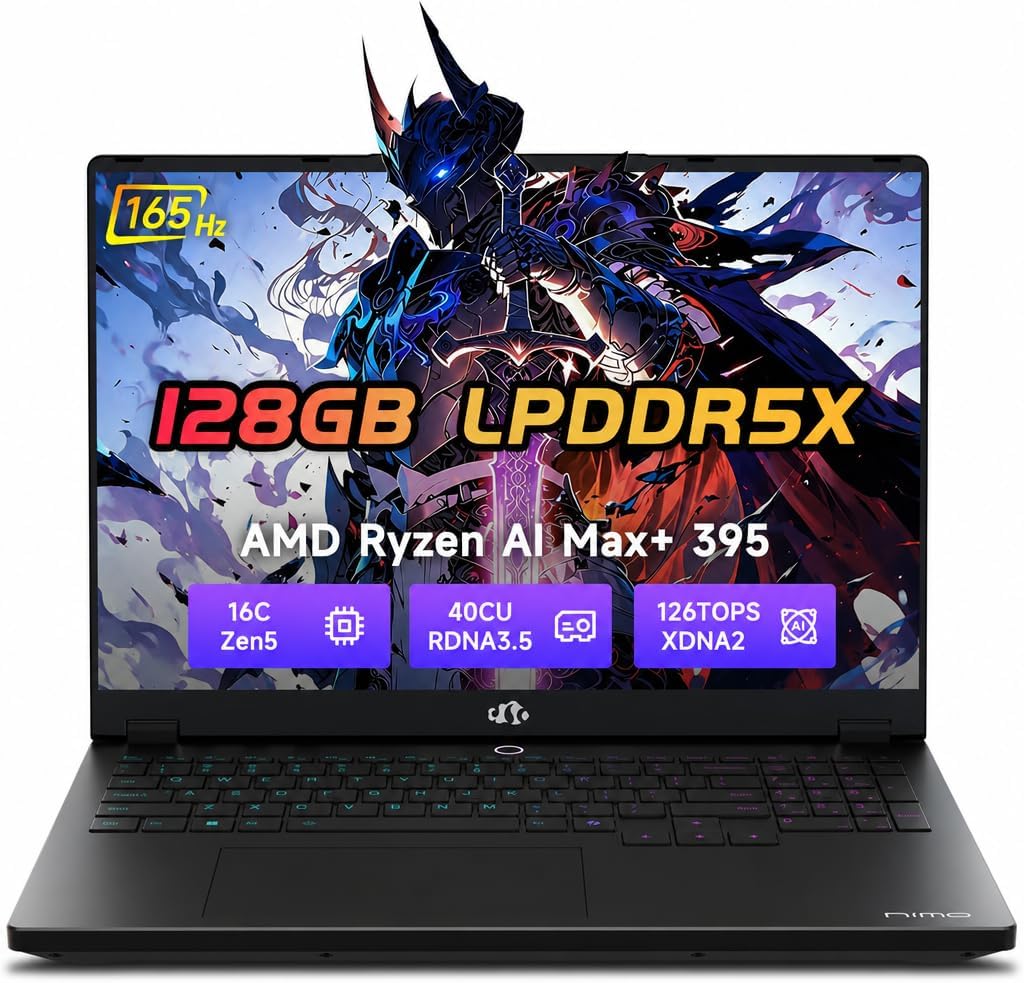
The NIMO 16 Inch Linux AI Laptop represents the pinnacle of local compute power for developers. With a perfect 5.0 rating, it stands out for its ability to run large language models locally without needing cloud subscriptions.
We may earn a commission when you buy through this link, at no additional cost to you.
Its AMD Ryzen Max+ 395 processor paired with 128GB of LPDDR5X RAM offers a private AI lab on your desk. The 165Hz 2.5K display ensures that visual content is rendered with smooth motion and color accuracy for professional grading.
The 99Wh battery is optimized for flight compliance, allowing long work sessions on airplanes. The triple-fan cooling system is engineered to manage the heat generated by high-performance AI training tasks without throttling.
While expensive, this laptop is unmatched for users requiring maximum performance for AI training or heavy computational workloads. It removes the need for costly cloud GPU rentals while keeping data strictly local and private.
Fine-tune 70B LLMs locally ensuring data privacy and eliminating cloud subscription costs.
Dual USB 4.0 ports enable triple-screen 8K workstation setups or eGPU connections.
We may earn a commission when you buy through this link, at no additional cost to you.
Selecting the right Linux laptop requires balancing hardware compatibility with your specific workflow needs.
Ensure the laptop comes with a pre-installed Linux distribution or is known to work well with your preferred distro. Hardware like Wi-Fi cards and sound chips must have open-source drivers to function correctly.
Check manufacturer documentation for Linux support before purchasing to avoid compatibility issues.
Select a processor that matches your workload. For coding and general work, an i5 or Ryzen 5 is sufficient, but for AI or virtualization, consider higher-end models with 16GB RAM or more.
Prioritize at least 16GB of RAM for smooth multitasking in a Linux environment.
SSDs are significantly faster than HDDs. For a responsive system, ensure the laptop includes an NVMe SSD rather than a mechanical drive. Aim for 512GB or more if you plan on storing large datasets.
Always verify the storage interface is modern to avoid bottlenecks during data access.
High-resolution screens reduce eye strain during long coding sessions. Look for IPS panels with good color accuracy and brightness levels that suit your work environment.
Consider a 16:10 aspect ratio for more vertical space which is beneficial for developers.
If you travel frequently, prioritize lightweight materials like aluminum or carbon fiber. Rugged laptops offer durability but usually add significant weight and bulk to your daily carry.
Check weight and dimensions to ensure the device fits comfortably in your preferred bag.
Linux can optimize battery life well on compatible hardware. Look for models with efficient processors and large battery capacities to ensure you can work for multiple hours unplugged.
Check reviews for real-world battery performance as marketing claims often exaggerate usage time.
Modern laptops often lack legacy ports. Ensure there are enough USB-A and HDMI ports for your peripherals or plan to carry a docking station.
Verify that Thunderbolt or USB-C support is present for future-proofing and high-speed data transfer.
A good keyboard is essential for typing code. Look for models with backlit keys and adequate key travel for comfortable long-term use.
Touchpad responsiveness varies by Linux driver support, so consider external mouse compatibility.
Keep your Linux distribution updated regularly to ensure security patches and driver improvements are installed. Use the package manager provided by your distro to handle software installations efficiently.
Clean your keyboard and screen with appropriate tools to prevent dust buildup. Avoid using harsh chemicals on the display and ensure the laptop is powered off before cleaning.
Manage your storage by cleaning up temporary files and uninstalling unused applications. Regularly back up important data to an external drive or cloud service to prevent data loss.
Most modern laptops come with pre-installed distributions which simplifies setup. If you are buying Windows hardware to install Linux later, check driver compatibility lists to ensure Wi-Fi and sound will work.
Linux Mint is often recommended for beginners due to its familiar interface similar to Windows. Ubuntu is also a strong choice with extensive community support and documentation available online.
Yes, you can use compatibility layers like Wine or run a virtual machine to run Windows applications. Most native software alternatives are available within the Linux repositories.
Linux is highly regarded for development work because of its powerful command line and native support for many programming languages. It provides a stable and customizable environment for coding.
Most laptops support dual boot if you partition the drive correctly. Be sure to back up your data before modifying partitions to avoid accidental data loss during installation.
RAM is often the most critical component for smooth performance on Linux. A modern SSD is also essential to avoid lag during system boot and application loading.
Our top picks cover a wide range of needs from rugged durability to high-end AI performance. The Lenovo Business Laptop stands out for reliability while the NIMO 16 Inch Laptop leads in raw power.
Prioritize specifications like RAM and SSD speed based on your specific tasks. Ensure the laptop supports your preferred distribution to avoid driver issues that can slow down your workflow.
Always verify current prices and availability before purchasing as stock fluctuates frequently. These models represent strong starting points for anyone looking to embrace open-source computing.