
Proster LCR Meter
4.5Editor score
Rotatable LCD Screen
Complete Test Kit
Easy Component Testing
This comprehensive guide compares the top Lcr Meter options for electronics professionals and hobbyists, evaluating accuracy, features, and reliability to help
Finding the right Lcr Meter is crucial for anyone working with electronics. Whether you are repairing circuits or designing new projects, precise measurements of inductance, capacitance, and resistance ensure your components function correctly.
We evaluated ten top-rated models based on accuracy, display quality, and usability. Our comparison covers handheld units for fieldwork and benchtop models for lab environments, ensuring you find a tool that matches your specific needs.
Each selection highlights unique strengths like sorting modes or high precision. Prices and availability change frequently, so verify current details before purchasing. This guide helps you make an informed decision for your next project.
4.5Editor score

4.7Editor score

4.4Editor score
This side-by-side comparison highlights the key specifications of each model to help you decide quickly. Consider frequency range, display type, and connectivity options when selecting the best fit for your workflow.

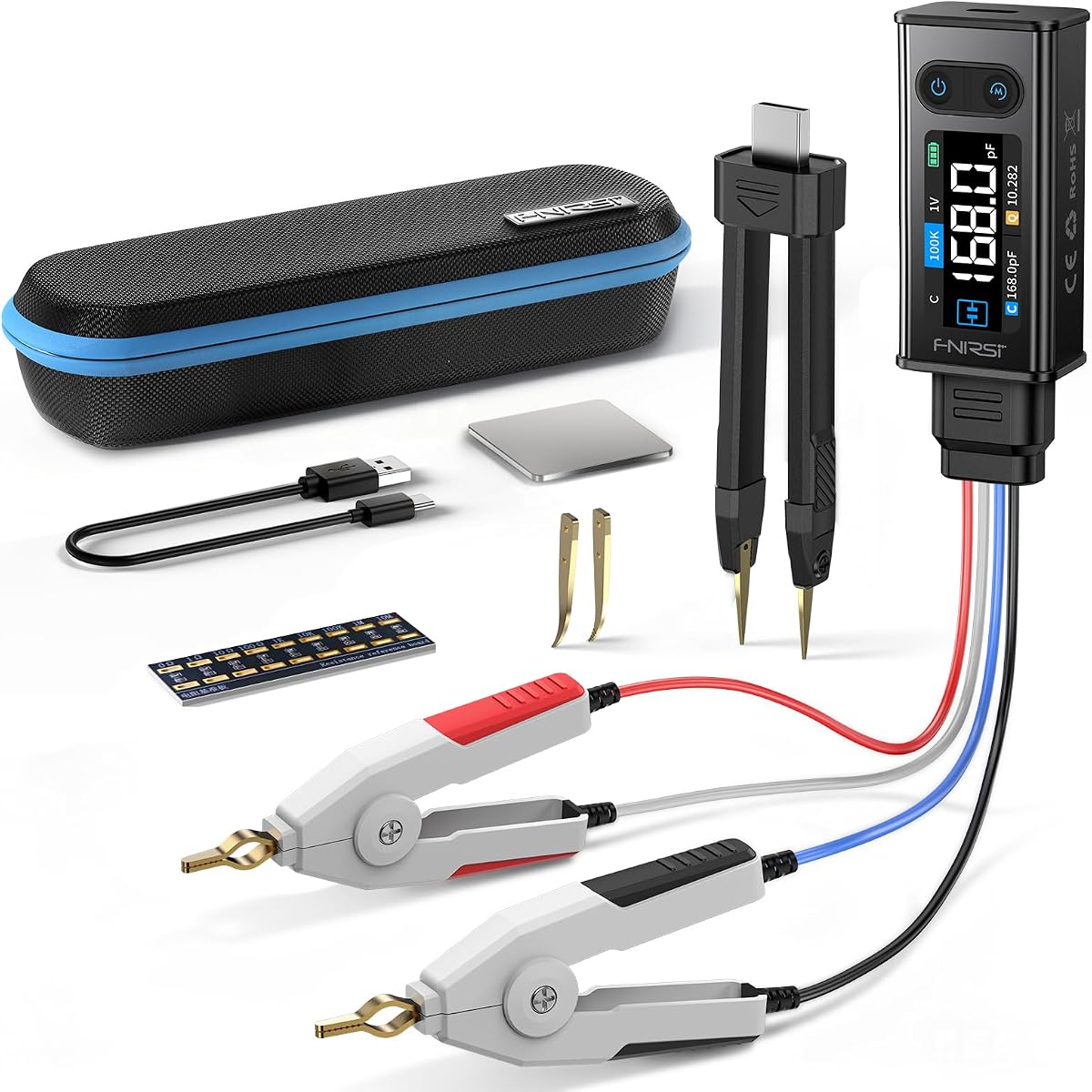


The FNIRSI LC1020E stands out as a versatile tool for both hobbyists and professionals. Its ability to display two parameters simultaneously provides deep insight into component behavior during testing.
We may earn a commission when you buy through this link, at no additional cost to you.
With support for frequencies up to 100kHz and a 19999 count display, this meter delivers precise readings. The auto sorting feature allows for quick quality control checks on batches of components.
While it requires a learning curve to master all settings, the included firmware updates ensure longevity. Users should note that calibration is needed before use for best results.
This model is ideal for anyone needing a balance of portability and advanced features. It handles complex measurements with ease, making it a top recommendation for serious electronics work.
View primary and secondary parameters like ESR and Q factor at the same time for comprehensive analysis.
Set nominal values and tolerances to automatically classify components as pass or fail with sound alerts.
We may earn a commission when you buy through this link, at no additional cost to you.
The DE-5000 is a trusted name in handheld LCR testing. Its auto-ranging operation simplifies measurements by selecting the correct scale automatically.
We may earn a commission when you buy through this link, at no additional cost to you.
It supports serial and parallel modes, making it adaptable to various component types. The high count display ensures you see even small variations in resistance or capacitance.
Although it is slightly heavier than modern units, its rugged construction makes it suitable for field use. The test leads included provide a complete solution right out of the box.
This meter is perfect for technicians who need reliability without complex menus. It balances performance and ease of use effectively for daily tasks.
Eliminate manual dialing with smart mode that detects component type and sets the range instantly.
See both the main value and secondary factors like dissipation factor simultaneously for better context.
We may earn a commission when you buy through this link, at no additional cost to you.
For laboratory settings, the MATRIX MCR5200 offers professional-grade accuracy. Its 0.1% basic accuracy ensures that even the smallest component variations are detected.
We may earn a commission when you buy through this link, at no additional cost to you.
The 4.3 inch TFT display is large enough to view multiple data points comfortably. Connectivity via USB and RS232C allows for easy data logging to a computer.
Measurement speeds up to 30 times per second make it efficient for production line testing. However, its benchtop nature limits portability for field repairs.
This model is best suited for R&D environments where precision is paramount. It provides the stability and features needed for high-stakes testing tasks.
Save test results directly to a USB stick or PC via USB host ports for easy reporting.
Process up to 30 measurements per second to keep up with rapid production testing needs.
We may earn a commission when you buy through this link, at no additional cost to you.
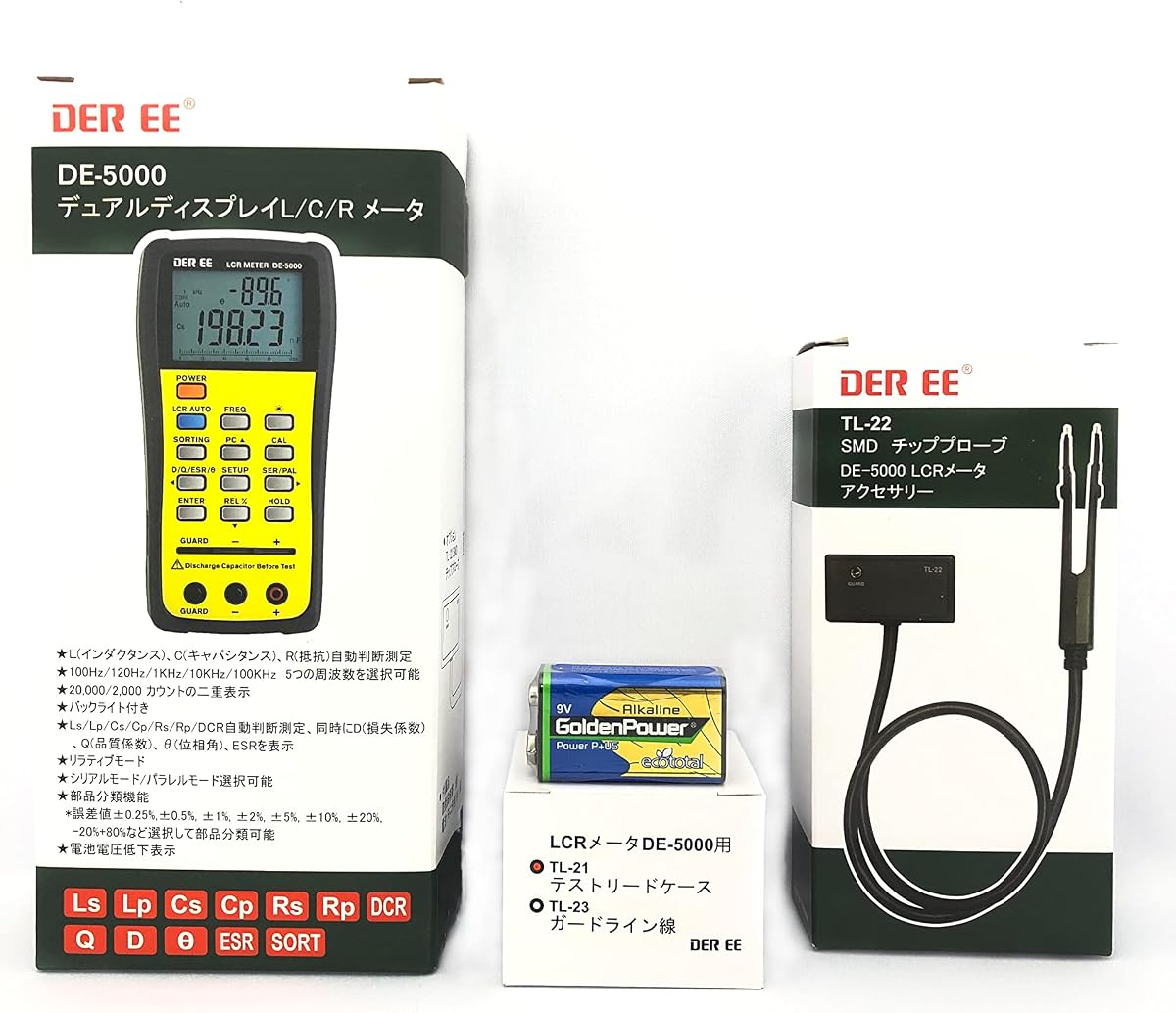
This bundle includes the De-5000 along with essential test leads for a complete start. The inclusion of SMD tweezers makes it versatile for small component testing.
We may earn a commission when you buy through this link, at no additional cost to you.
Users benefit from a 20000 count display that offers high resolution readings. Tolerance settings allow for precise verification of component values against targets.
The package is robust but lacks a dedicated carrying case for portability. It is a great choice for users who need both through-hole and surface mount capabilities.
Ideal for workbenches that see varied component types daily. This set provides the tools needed for a wide range of electronic measurements.
Test tiny surface mount devices easily with included tweezers designed for precision probing.
Set specific percentage limits to quickly check if components fall within your required specs.
We may earn a commission when you buy through this link, at no additional cost to you.
The Proster LCR Meter is an accessible entry point for hobbyists. It simplifies the process of testing components without a steep learning curve.
We may earn a commission when you buy through this link, at no additional cost to you.
Its rotatable LCD allows you to view readings from any angle on your workbench. The zero adjustment feature helps eliminate lead errors for more accurate results.
While it lacks advanced sorting features, it covers the basics well. The included storage bag keeps everything organized for small projects and repairs.
This unit is perfect for students or casual users who need reliable measurements. It offers excellent value for the price point compared to complex models.
Tilt the screen to find the best viewing angle without moving the device on your desk.
Calibrate the meter to zero out stray capacitance for true readings on small components.
We may earn a commission when you buy through this link, at no additional cost to you.
The LCR-ST2 is designed specifically for quick testing using integrated tweezers. This design saves space and time when handling multiple small components.
We may earn a commission when you buy through this link, at no additional cost to you.
It features a built-in magnet to secure the unit on metal surfaces. The rechargeable battery ensures you can work without hunting for power packs.
Despite its size, it supports a wide range of test voltages. The small screen is easy to read but limits the amount of visible data.
Best for users focused on surface mount electronics. Its form factor makes it a convenient addition to a dense workspace.
Use gold-plated tips to test SMD components directly without separate probe attachments.
Charge via Type-C port to keep the device running for hours on a single charge.
We may earn a commission when you buy through this link, at no additional cost to you.
The Peak Atlas LCR45 is renowned for its accuracy in impedance measurements. It provides high resolution that helps in detecting subtle changes in component values.
We may earn a commission when you buy through this link, at no additional cost to you.
Its frequency range extends to 200kHz, making it suitable for RF applications. The menu system is intuitive, reducing the time spent on configuration.
A hold function lets you capture readings without continuous contact. This model is ideal for those who prioritize measurement quality over data logging features.
This unit serves well in repair shops needing detailed analysis. It balances complexity and performance effectively for professional tasks.
See fine details like 0.2pF changes which are critical for high-precision capacitors.
Select manual or auto frequency to optimize testing for different component classes.
We may earn a commission when you buy through this link, at no additional cost to you.
The B&K Precision 879B features a high-quality backlit display for low-light work. This ensures visibility even in dark corners of chassis or enclosures.
We may earn a commission when you buy through this link, at no additional cost to you.
It supports dual readings for simultaneous parameter checks. The build quality is durable, designed to withstand occasional drops in a busy environment.
It comes with USB connectivity for data transfer. However, the backlight can drain batteries faster than non-lit alternatives.
This unit is excellent for field service technicians. It provides visibility where other meters might fail due to poor lighting conditions.
Ensure clear readings even in dark workspaces with a bright, adjustable screen.
Monitor primary and secondary values without switching screens for better workflow.
We may earn a commission when you buy through this link, at no additional cost to you.
The Extech LCR200 includes a built-in test fixture for easy component placement. This eliminates the need for external clips when testing standard parts.
We may earn a commission when you buy through this link, at no additional cost to you.
It offers limit settings to categorize components as Hi or Lo. This feature is useful for quick sorting in inventory management.
The dual backlit display ensures you can see numbers clearly in any condition. However, it lacks advanced data logging capabilities found in pricier units.
This model is great for routine quality checks. It simplifies testing for users who do not need complex data handling features.
Test components directly into the meter without worrying about loose external clips.
Set acceptable ranges to quickly identify out-of-spec parts with visual or audio cues.
We may earn a commission when you buy through this link, at no additional cost to you.
The Pro1-100KHz offers professional accuracy with a lifetime support promise. Its 0.1% accuracy rating makes it suitable for demanding technical work.
We may earn a commission when you buy through this link, at no additional cost to you.
Smart tweezers help automate the identification of components. The diode testing function adds extra value for general troubleshooting tasks.
Users should expect a learning curve to utilize all features effectively. But the reliability offered is worth the effort for those in need of precision.
This unit is ideal for labs requiring consistent data. It combines accuracy with long-term support that few other models offer.
Automatically identify component type when using the included smart tweezers for testing.
Benefit from long-term assistance and support from the manufacturer for years.
We may earn a commission when you buy through this link, at no additional cost to you.
Selecting the right Lcr Meter involves evaluating several technical and practical factors. Understanding these details ensures you invest in a tool that meets your specific testing needs.
Accuracy is the most critical factor when selecting an Lcr Meter. Higher-end benchtop models often offer accuracy as precise as 0.1%, while budget handhelds may vary more. For hobbyist repairs, standard accuracy is often sufficient, but production environments require tighter tolerances to ensure consistent quality.
Always check the stated basic accuracy percentage in the specifications before purchasing.
Different components behave differently at various frequencies. A meter with a wide frequency range allows you to test components under conditions that mimic real-world operation. While basic models might cover up to 100kHz, advanced units can reach higher frequencies for RF applications.
Ensure the frequency range matches the types of components you frequently work with.
A clear, readable display is essential for interpreting complex data. Color TFT screens provide better contrast and detail compared to older LCDs. Dual displays that show secondary parameters simultaneously save time during testing.
Look for backlit displays if you often work in dim environments.
Modern Lcr Meters often include USB or RS232 ports for data transfer. This feature is vital if you need to log results to a computer for analysis. Benchtop units typically offer more connectivity options than handheld models.
Choose a model with the connectivity you need for your reporting workflow.
Decide whether you need a handheld or benchtop unit. Handhelds are ideal for field service and mobile repairs, while benchtops offer stability for lab use. Consider weight and power source options like rechargeable batteries.
Portable models should balance robustness with light weight.
The right accessories can significantly enhance usability. Test leads, SMD tweezers, and carrying cases are often included in bundles. Some units feature built-in fixtures for easier component testing.
Check what is included in the box to avoid buying extra tools later.
Firmware updates can improve performance or add features over time. Models that support PC software for data logging allow for deeper analysis of component trends. This is particularly useful for quality control.
Verify if the manufacturer provides ongoing software support for the device.
Cost varies widely based on features and precision. While budget units offer basic functionality, premium models provide advanced sorting and logging. Determine your must-have features to find the best value for your specific needs.
Balance your budget with the required precision for your work.
Before measuring any component, ensure it is fully discharged. Capacitors and inductors can hold a charge that may damage the meter or give inaccurate readings.
Perform open and short calibration regularly to maintain accuracy. This step compensates for lead resistance and ensures reliable results across your measurement range.
Store the meter in a dry, cool place when not in use. Protect the display from scratches and avoid dropping the device to extend its lifespan.
An Lcr Meter measures Inductance (L), Capacitance (C), and Resistance (R). It also provides secondary parameters like Q factor, D factor, and impedance. It is essential for electronics repair and quality control.
Most meters require an open/short calibration. Leave the terminals open and press the open cal button, then short them with a metal strip and press the short cal button. This resets the device to zero errors.
Ls refers to series inductance, while Lp refers to parallel inductance. Use Ls for low impedance components and Lp for high impedance components to get accurate readings.
Some advanced Lcr Meters include a diode test function. It measures the forward voltage drop to determine if a diode is functional. Standard multimeters can also do this but with less precision.
Components behave differently at different frequencies. A capacitor tested at 100kHz may show different values than at 1kHz. Matching the test frequency to the application ensures realistic data.
Lead resistance can skew results on low-value components. Use Kelvin connections or short the leads together and subtract the value. High-quality leads help minimize this error.
Benchtop meters generally offer higher accuracy and stability. Handhelds are better for portability. Your choice depends on whether you prioritize precision or mobility.
We have reviewed ten distinct options ranging from budget handhelds to professional benchtop units. The FNIRSI LC1020E stands out for its balance of features and performance in modern workflows.
Prioritize accuracy and frequency range based on your specific component needs. For hobbyists, a simple unit may suffice, but professionals require higher precision.
Remember to check current prices and availability before making your final choice. Investing in the right tool ensures reliable measurements for all your electronics projects.