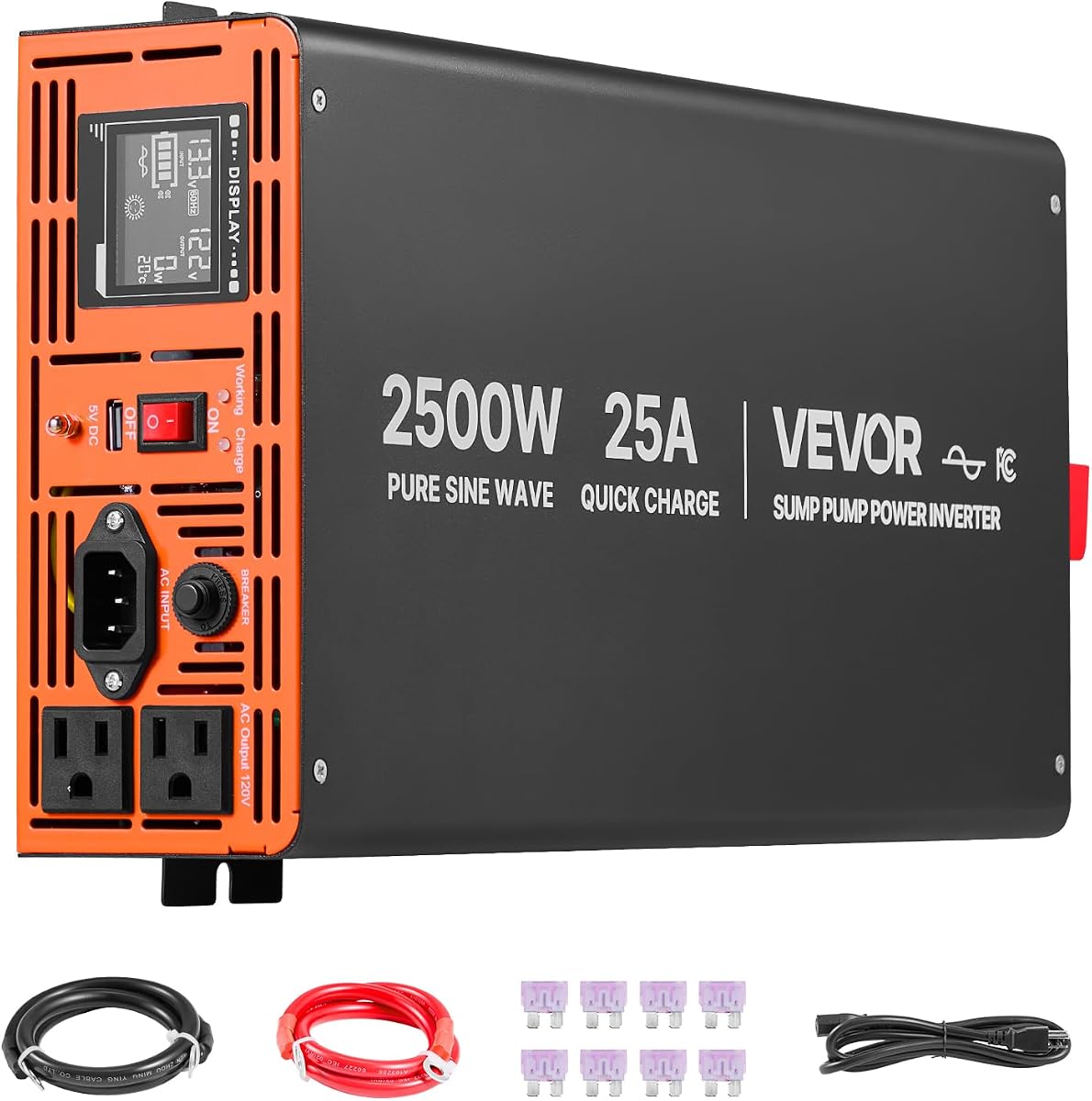
VEVOR 2500W Sump Pump Battery Backup System
4.4Editor score
Dual pump operation support
Standard 3-prong plug
Compatible with LiFePO4 batteries
This guide compares the top inverter for sump pump systems for basement flood protection, focusing on power output, battery compatibility, and installation
When heavy storms hit or the grid fails, your basement needs reliable drainage to stay dry. An inverter for sump pump ensures continuous operation during blackouts, protecting your home from costly water damage. Choosing the right system means balancing power output, battery compatibility, and ease of installation for your specific needs.
We analyzed ten leading models to find the best options for homeowners seeking dependable flood protection. Our comparison evaluates pure sine wave output, switching speed, and smart charging features that extend battery life. Each product was selected based on real-world performance data, customer feedback, and technical specifications relevant to emergency preparedness.
This guide highlights top picks across budget, premium, and specialized categories to help you decide quickly. Every section details key specs, pros, and cons so you can match a system to your pump type and battery setup. Remember that inventory and availability shift often, so verify current stock before ordering to avoid delays during storm season.
4.4Editor score
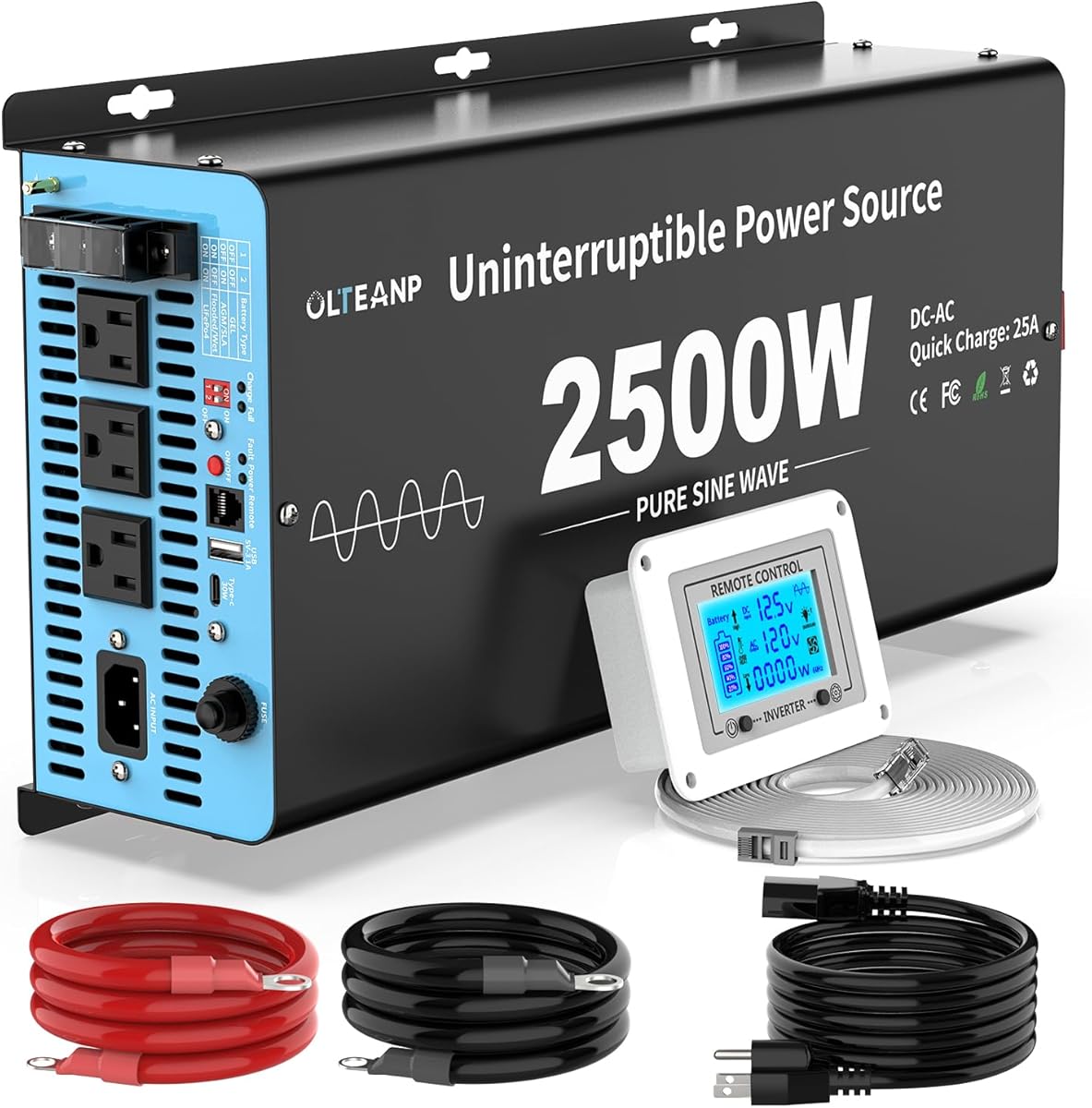
4.7Editor score

4.6Editor score
The following table provides a side-by-side overview of all ten systems, highlighting wattage, switching times, and unique features like dual pump support or remote monitoring to simplify your selection process.


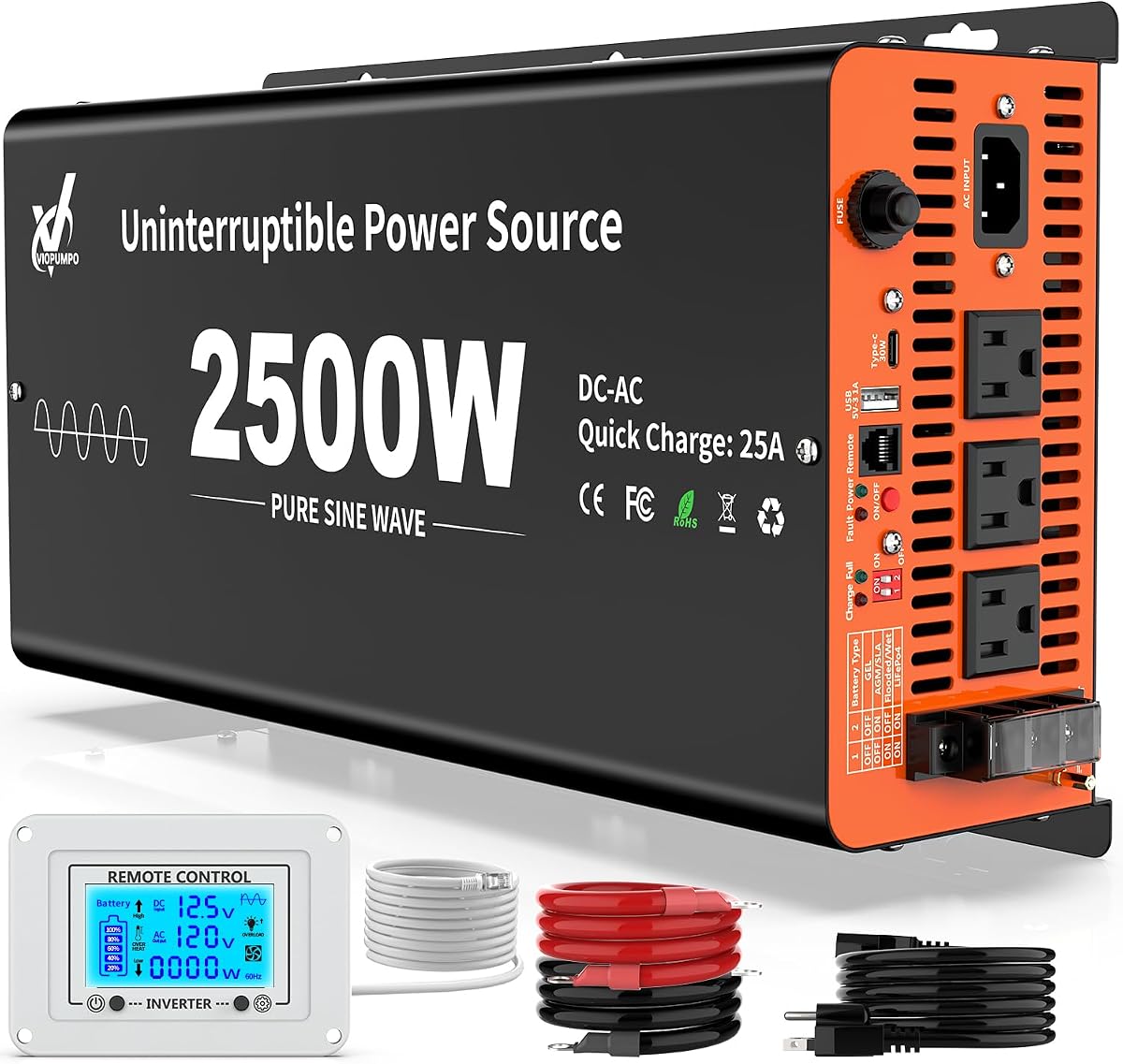


This 2500W system ranks highest for overall performance and reliability. With a 4.7 rating from users, it delivers clean power during outages while featuring a built-in 25A charger that adapts to different battery types. The LCD remote allows you to monitor voltage and load without leaving your desk, making it ideal for finished basements.
We may earn a commission when you buy through this link, at no additional cost to you.
The pure sine wave output ensures your sump pump motor runs smoothly without overheating, which is critical during long storms. It supports LiFePO4, AGM, and flooded deep-cycle batteries, giving you flexibility in battery selection. The hardwire AC output options and standard plugs simplify integration with existing electrical setups, reducing installation time significantly.
One trade-off is the need to buy a separate battery, which adds to the initial cost. Also, its dimensions require adequate ventilation space, so measure your sump pit area before purchase. These factors are minor compared to the peace of mind it provides when heavy rains threaten your home.
Buy this if you want a robust, versatile system that balances power and smart features. It suits homeowners with large basements or multiple pumps who need dependable flood protection. Check current availability before ordering to ensure you have it ready for the next storm season.
The 25A charger with multi-stage protection optimizes battery health, preventing overcharging and extending overall system lifespan.
The included remote controller displays battery voltage and load status, helping you react quickly to any system warnings.
We may earn a commission when you buy through this link, at no additional cost to you.
This Viopumpo system mirrors the top pick's power but offers a slightly different price point. Its pure sine wave output ensures safe operation for sensitive electronics, while the LCD remote keeps you informed of battery health. Users report it handles continuous pump loads well without voltage drops.
We may earn a commission when you buy through this link, at no additional cost to you.
The 25A charger supports fast and trickle modes, which helps maintain battery readiness between storms. It works with AGM, lithium, and deep-cycle lead-acid batteries, though it excludes standard non-deep-cycle types. The cooling system and overload protector add safety layers that reduce risk during prolonged outages.
You might find the cable setup slightly less intuitive than other models, and mounting options are limited to wall or flat placement. These are manageable issues for most DIY installers who follow the manual carefully. The trade-off is a reliable backup that keeps water at bay without complex wiring.
Consider this if you need strong backup power without paying a premium for extra features. It fits standard 1 HP pumps well and pairs easily with existing 12V setups. Verify stock levels and return policies before buying to ensure a smooth setup.
High conversion efficiency means less energy loss during battery discharge, maximizing runtime when grid power fails.
Built-in cooling and overload protection prevent overheating, ensuring safe operation even during extended use.
We may earn a commission when you buy through this link, at no additional cost to you.
This VEVOR model brings 2500W power at a budget-friendly cost, making it attractive for cost-conscious homeowners. Its dual-pump support is rare in this price range, allowing a 1 HP main and 1/3 HP backup to run together. The standard 3-prong plug eliminates wiring risks for first-time installers.
We may earn a commission when you buy through this link, at no additional cost to you.
The 3-stage charging cycle optimizes battery life for lead-acid, AGM, and lithium types. Circuit breaker protection adds security against overcurrent and short circuits. Real-time LED indicators give you immediate feedback on system status without needing to check a screen constantly.
The LCD screen is simpler than premium models, so detailed voltage reads are less precise. This doesn't impact performance but reduces diagnostic depth. For most users, the core function of pumping water remains unaffected, and the lower price offsets this minor limitation.
Buy this if you need reliable dual-pump power on a tight budget. It suits homeowners with large yards or flood-prone areas needing redundancy. Check for current stock and shipping times to avoid delays during peak storm seasons.
Supports running two pumps simultaneously, ideal for homes with redundant systems needing simultaneous backup during power outages.
Standard plug design avoids complex rewiring, reducing electrical hazards and making setup accessible for DIY users.
We may earn a commission when you buy through this link, at no additional cost to you.
This VUFUMSY unit is built for homes with dual pump setups, delivering 2500W to run both simultaneously. The 15ms switch time ensures minimal interruption, keeping water levels stable during sudden blackouts. FCC certification adds trust for electrical safety in damp basement environments.
We may earn a commission when you buy through this link, at no additional cost to you.
Installation requires no electrician, as simple plugging and mounting suffice. Compatibility with lithium, AGM, and lead-acid batteries means you can reuse existing batteries if they match voltage. The LCD display shows voltage and temperature, helping you maintain the system between storms.
The main drawback is that battery choice is left to you, which may confuse first-time buyers. Also, manual steps like tightening connections need care to avoid leaks. These are standard trade-offs for DIY gear that prioritizes flexibility and cost savings.
Select this if you have two pumps and want straightforward backup power. It suits whole-home emergency protection where redundancy matters. Compare current stock levels to ensure timely delivery before heavy weather arrives.
Sub 15ms transfer time keeps pumps running without interruption, maintaining consistent drainage during outages.
Accepts multiple battery types like lithium or AGM, letting you choose the best power source for your budget.
We may earn a commission when you buy through this link, at no additional cost to you.
This InsensVert unit stands out with 5000W peak power and 10ms switching, ensuring pumps stay on even during voltage spikes. Soft start technology reduces current surges, extending motor life over years of use. A circuit breaker adds a critical safety layer for damp basement installations.
We may earn a commission when you buy through this link, at no additional cost to you.
The 25A charger refills a 100Ah battery in about four hours, keeping you ready for multi-day storms. It supports everything from flooded lead-acid to LiFePO4, offering the broadest choice. Real-time LCD monitoring tracks temperature and frequency, giving detailed insights into system health.
You pay more for these advanced protections and speed, which may not be needed for small pumps. Ventilation space is also essential due to heat generation during continuous use. These trade-offs are worth it for critical flood zones where equipment reliability is non-negotiable.
Choose this if you need top-tier protection for valuable basements or complex pump systems. It suits serious preparedness where minimizing downtime matters most. Verify current pricing and availability to ensure it fits your plan before storm season.
Soft start gradually increases power to prevent damaging current surges, protecting sensitive pump motors from burnout.
Fast charging gets your battery ready quickly, reducing downtime between storms and ensuring continuous preparedness.
We may earn a commission when you buy through this link, at no additional cost to you.
This 1500W system is ideal for smaller pumps needing reliable backup without excessive power. Its 4.7 rating reflects strong user satisfaction with consistent performance and battery management. The Type-C port allows charging phones or tablets during outages, adding utility beyond drainage.
We may earn a commission when you buy through this link, at no additional cost to you.
The 25A multi-stage charger optimizes performance for deep-cycle batteries, extending their usable life. Overcharge and overheat protections ensure safety during long outages. Hardwire AC output options integrate with existing systems, while the remote LCD keeps you informed of battery levels.
Limited wattage means it cannot support dual pumps or large motors. This suits single-pump homes but requires checking your pump's needs first. The lower power keeps costs down, which offsets this limitation for average residential setups.
Buy this if you have a single standard pump and need extra utility ports. It balances cost and features well for finished basements. Check current stock to ensure delivery before heavy rains begin.
Type-C and USB ports power devices like lights or phones, adding value to the backup system during extended outages.
Multiple safety protections like overheat and overload keep the system running reliably without risking home electrical safety.
We may earn a commission when you buy through this link, at no additional cost to you.
This Viopumpo unit stands out for adjustable input voltage, supporting lithium batteries better than fixed-voltage models. It delivers 2500W pure sine wave power with three AC outlets and a Type-C port for device charging. The remote LCD ensures you always know the system status during outages.
We may earn a commission when you buy through this link, at no additional cost to you.
The self-recovery overload protector resets automatically after trips, reducing downtime. A built-in cooling system keeps the inverter running at safe temps even during continuous pump cycles. Installation requires only plugging cables together, keeping it beginner-friendly.
Manual voltage adjustment adds a setup step that requires turning the unit off first. Also, the lack of a included battery means you must source one separately. These are minor hurdles that pay off in lithium compatibility and motor protection.
Choose this if you plan to use lithium batteries for better longevity and light weight. It suits modern setups needing flexible power options. Compare current pricing and stock to ensure you can source everything before storm season.
Adjustable input voltage improves compatibility with lithium batteries, allowing lighter and longer-lasting power solutions.
Self-recovery overload protection resets automatically, minimizing manual intervention during extended power outages.
We may earn a commission when you buy through this link, at no additional cost to you.
Renogy offers a powerful 3000W inverter with 6000W surge capacity, useful for pumps with high startup loads. UL and CSA certifications ensure top-tier safety, and the metal housing resists impacts in rugged environments. It supports many battery types including LiFePO4 and Gel, maximizing flexibility.
We may earn a commission when you buy through this link, at no additional cost to you.
The wired remote controller lets you monitor status from a distance. AC terminal block and standard sockets offer versatile output options for other devices too. This multi-purpose design makes it good for whole-home backup beyond just drainage.
Because it is not sump-specific, setup may need custom wiring for pump integration. Also, the high power means more ventilation needs. These are acceptable trade-offs if you want a backup that serves multiple uses like RVs or workshops.
Select this if you need broad versatility beyond just basement pumps. It fits homes using power for camping, tools, or lighting alongside drainage. Verify current stock to ensure it arrives before you need it.
6000W surge handles pump motor startups easily, preventing tripping during critical moments of high power demand.
UL and CSA certification ensures strict safety standards, giving peace of mind for indoor basement use.
We may earn a commission when you buy through this link, at no additional cost to you.
This compact VEVOR unit is built for smaller pumps up to 3/4 HP, keeping costs low without sacrificing core features. The standard 3-prong plug ensures quick setup without wiring risks. It supports deep-cycle types and includes safety features like circuit breakers.
We may earn a commission when you buy through this link, at no additional cost to you.
The 3-stage charging optimizes battery life, while LED indicators show status at a glance. It runs pumps quietly, reducing noise in finished basements. USB ports allow charging small devices when grid power is gone.
It cannot handle larger HP pumps or dual setups, limiting scope to smaller basements. If your system exceeds 3/4 HP, you will need a higher wattage model. For compact setups, this limitation does not hinder core drainage functions.
Buy this if you have a small pump and want a simple, effective backup. It suits apartments or small homes with limited power needs. Check availability before ordering to avoid waiting during peak seasons.
Runs sump pumps quietly, preserving comfort in finished basements without adding disruptive noise during storms.
Standard plug setup reduces installation time and electrical risks, making it accessible for non-experts.
We may earn a commission when you buy through this link, at no additional cost to you.
This VEVOR 2000W unit sits between 1500W and 2500W options, fitting standard 1 HP pumps well. It offers clean sine wave output and a clear LCD for monitoring status during outages. Plug-in setup keeps installation simple for most homeowners.
We may earn a commission when you buy through this link, at no additional cost to you.
High temperature protection helps maintain reliability during extended pump cycles. The 3-stage charging cycle extends battery life and optimizes performance. It supports various battery chemistries, giving flexibility in power sourcing choices.
User ratings are lower, likely due to occasional quality control issues or setup confusion. Some may find it less durable than higher-priced models. However, for budget seekers, the mid-range power remains useful for moderate protection needs.
Consider this if you want mid-level power without top-tier costs. It fits small to medium basements needing straightforward backup. Verify current stock and reviews before buying to ensure reliability for your setup.
Built-in high temp protection keeps the unit safe during long use, preventing overheating issues during storms.
3-stage charging cycle prolongs battery health, reducing replacement frequency and overall maintenance costs.
We may earn a commission when you buy through this link, at no additional cost to you.
Selecting the right inverter involves matching technical specs with your pump's needs and battery setup. This section covers key factors to consider for reliable flood protection.
Ensure the inverter's continuous wattage meets your pump's motor requirements, typically 1 HP needs at least 1500W. Peak surge capacity matters for startup spikes. Choosing a model with headroom prevents overload failures during critical storms.
Aim for wattage 20 percent above your pump's rating to maintain efficiency and prevent shutdowns during high loads.
Fast switching under 15ms ensures your pump keeps running without interruption when grid power fails. This prevents water accumulation during short outages. Slower models might cause pump reset delays leading to potential flooding.
Look for models advertising sub-15ms transfer times for maximum protection during sudden blackouts.
Choose inverters compatible with deep-cycle batteries like AGM or LiFePO4 to maximize cycle life. Avoid models that only support flooded lead-acid if you want lighter options. Compatibility with lithium extends runtime and reduces maintenance.
Verify voltage compatibility, usually 12V, and check supported chemistries before buying batteries separately.
A 25A charger refills batteries faster, ensuring readiness for multiple storms in a row. Slow chargers take days to recharge, reducing preparedness. Smart charging modes like bulk or float extend battery health significantly.
Prioritize systems with built-in fast chargers to minimize downtime between weather events.
Plug-in setups reduce wiring risks and save time versus hardwired options. Ensure the unit supports wall mounting if space is tight. Check included cable lengths to reach your battery and pump comfortably.
Select plug-and-play designs if you lack electrical experience to ensure safe and simple integration.
LCD screens or remote controllers let you check voltage and load status without guessing. Real-time alerts help you act before a failure occurs. Basic LED indicators work but lack detailed insight.
Models with clear displays are worth the cost for proactive maintenance and peace of mind during storms.
Overload, overheat, and reverse polarity protections prevent equipment damage and fire hazards. Circuit breakers add another layer for wet environments. Safety certifications like UL or FCC ensure tested reliability.
Never skip safety features as damp basements require extra precautions against electrical risks.
Metal housings and robust cooling extend lifespan in humid conditions. Warranties of 12 months or more reflect manufacturer confidence. Reliable brands offer customer support for troubleshooting issues.
Opt for units with proven durability and good warranty terms to protect your investment over years of use.
Install the unit in a dry, ventilated area near your sump pump. Connect the battery using the included heavy-duty cables to ensure stable current. Plug the sump pump into the inverter's AC outlet or hardwire terminals as instructed.
Test the system periodically by unplugging it from the grid to trigger battery mode. Monitor the LCD display to confirm the switch occurs smoothly. Ensure battery charge levels remain above 50 percent between storms for reliability.
Clean dust from cooling vents monthly to prevent overheating. Check battery terminals for corrosion and tighten connections annually. Store extra batteries in a cool place to preserve their lifespan during non-storm periods.
Yes, most sump pump inverters do not include batteries. You will need to purchase a 12V deep-cycle battery such as AGM or LiFePO4. Check the inverter's manual for compatible types and capacities to ensure proper performance during outages.
Most models switch in under 15 milliseconds, which is fast enough to keep pumps running without interruption. This rapid transition prevents water accumulation during sudden blackouts and ensures continuous basement protection.
Many modern units support LiFePO4 batteries for longer life and lighter weight. Verify compatibility in the product specs before buying, as some older models only accept flooded lead-acid types.
Most models feature plug-in setups that do not require professional help. If you choose hardwire options, consult a licensed electrician to ensure safe integration with your home electrical panel.
The inverter will stop running the pump until the battery is recharged or replaced. Smart models may alert you via LCD or LED indicators to prevent unexpected failures during storms.
Use the LCD display to check voltage and status. Run monthly tests by disconnecting grid power to confirm automatic switching. Regular monitoring ensures your system is ready when needed most.
Most units have built-in cooling fans that are quiet enough for basements. Noise varies by load and ventilation but is generally minimal compared to pumps running. Proper placement away from living spaces reduces any disturbance.
Many models include USB or AC outlets for charging devices or running small appliances. This adds value during outages but ensure the total load does not exceed the inverter's wattage capacity.
This guide has reviewed the top ten inverters for sump pumps, highlighting performance, speed, and compatibility. The top picks include a reliable high-end system, a value-focused dual-pump option, and a premium choice with ultra-fast switching.
Prioritize wattage, switching speed, and battery compatibility based on your specific pump setup. Ensure safety features and monitoring tools align with your needs to avoid water damage during storms.
Inventory and availability change frequently, so check current listings before ordering to avoid delays during peak storm seasons. Having the right backup ready ahead of time ensures your basement stays dry and protected.