
Zigbee Human Presence Sensor with Home Assistant
4.0Editor score
Long battery life up to 2 years
Wide Zigbee hub compatibility
Detects stationary human presence
This guide compares the top Home Assistant Human Presence Sensor options using mmWave radar and Zigbee to help you automate lights and devices with reliable
Finding the right Home Assistant Human Presence Sensor can transform how your smart home reacts to daily life. Unlike standard motion detectors, these devices use radar to spot you even when you are sitting still or reading a book.
We evaluated ten leading models based on detection range, connectivity options, and ease of integration with Home Assistant. Each product was selected for its ability to provide accurate occupancy data without relying on cloud services or proprietary hubs.
Every pick below highlights specific strengths and trade-offs to help you decide which sensor fits your space. Keep in mind that pricing fluctuates frequently, so check current listings before making your final purchase decision today.
4.0Editor score

4.4Editor score

3.6Editor score
The following table provides a side-by-side comparison of all ten sensors to help you quickly identify key differences in connectivity, power source, and detection capabilities.


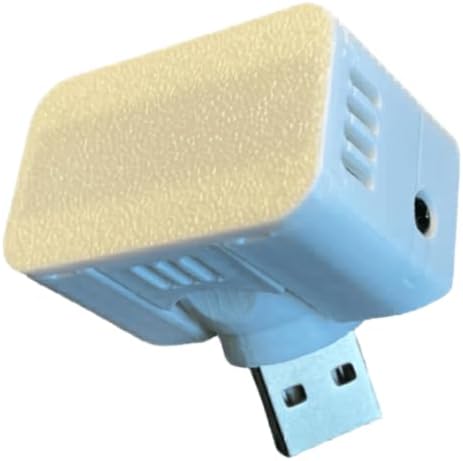


The Akamatis Human Presence & Light Sensor Litos v3 stands out as the top choice for Home Assistant users seeking precise automation. With a strong rating of 4.4 stars, it delivers reliable detection of both moving and stationary occupants using 24GHz mmWave radar technology.
We may earn a commission when you buy through this link, at no additional cost to you.
Its integrated ambient light sensor allows for smart lighting automations that react not just to presence but also to room brightness. The device comes pre-flashed with ESPHome, meaning you can connect it to your network via a simple hotspot without manual flashing or complex configuration.
While the need for an existing Home Assistant installation might limit casual users, those invested in open-source platforms will appreciate the local control and stability. The external antenna ensures robust Wi-Fi connectivity even in homes with thicker walls or interference.
If you want a sensor that seamlessly blends presence and light data for energy-efficient lighting control, this is the ideal pick. It is best suited for users who value customization and local privacy over cloud-based convenience.
Since it runs ESPHome out of the box, adding this sensor to your Home Assistant dashboard is quick and straightforward without needing extra bridges or hubs.
The light sensor mimics human eye sensitivity, allowing you to create rules like only turning on lights when someone is present and the room is dark.
We may earn a commission when you buy through this link, at no additional cost to you.
The AKAMATIS Human Presence Sensor v2.2 offers a cost-effective alternative to its v3 sibling while maintaining the same core functionality for Home Assistant users. It achieves a 4.4 rating by providing reliable stationary detection without requiring complex setup steps.
We may earn a commission when you buy through this link, at no additional cost to you.
Built with the HLK-LD2410B radar module, this unit covers a significant area indoors and can detect even subtle movements like breathing. The inclusion of an external antenna on the Seeed C3 controller ensures your Wi-Fi connection remains strong throughout the day.
One trade-off is the absence of an integrated light sensor, meaning you might need a separate device if your automations depend on ambient lighting conditions. However, for pure presence tracking, it delivers exceptional value and performance.
This sensor is perfect for users who need multiple detectors across their home and want to save on cost without sacrificing detection accuracy. Just ensure your Home Assistant instance is ready to manage the device.
The HLK-LD2410B module is a proven standard in the maker community, ensuring consistent results when detecting people sitting still on couches or beds.
Setup involves connecting to the device hotspot and entering your Wi-Fi credentials, a process that avoids the need for serial flashers or command line tools.
We may earn a commission when you buy through this link, at no additional cost to you.
For those who already have a Zigbee hub installed, this sensor offers an affordable way to add presence detection to their Home Assistant environment. With a 4.0 rating, it provides solid performance for the price, detecting stationary people effectively.
We may earn a commission when you buy through this link, at no additional cost to you.
It uses millimeter wave radar to ensure that lights stay on while you read or sleep, addressing a common pain point with traditional motion sensors. The battery life is impressive, lasting up to two years on two AAA batteries.
The main dependency is the need for a Zigbee hub, which may be an extra cost if you do not own one. However, compatibility is broad, including Echo devices and major platforms like SmartThings and Hubitat.
If you prioritize cost savings and wireless simplicity, this is the best budget option available. It works seamlessly in bedrooms and living rooms where people spend long periods sitting still.
Because it speaks standard Zigbee, you can integrate it with almost any hub that supports the protocol, giving you flexibility if you switch ecosystems later.
Two AAA batteries are sufficient for typical usage scenarios, meaning you rarely need to climb a ladder to replace them in ceiling-mounted locations.
We may earn a commission when you buy through this link, at no additional cost to you.
The Aqara Presence Sensor FP300 brings premium features to your smart home, including AI-driven learning and support for the modern Matter protocol. With a 3.6 rating, it shows strong potential for users willing to pay for top-tier functionality and design.
We may earn a commission when you buy through this link, at no additional cost to you.
Its 60GHz radar provides precise detection, while the added temperature and humidity sensors allow you to automate climate control alongside lighting. This multi-functionality reduces the clutter of multiple separate devices on your walls.
While it is one of the more expensive options, the versatility it offers makes it a solid investment for whole-home automation. It works with Apple Home and Home Assistant, though Matter setup can sometimes require extra steps with border routers.
Choose this sensor if you want a sleek, all-in-one solution that grows with your smart home ecosystem. It is best for rooms where environmental data matters as much as occupancy tracking.
The sensor learns your habits over time to reduce false triggers, ensuring that your lights stay on only when they are truly needed.
By supporting Matter over Thread, you ensure that this device will remain compatible with new smart home standards for years to come.
We may earn a commission when you buy through this link, at no additional cost to you.
The SONOFF SNZB-06P24 offers a unique advantage with its seven configurable zones, allowing you to tailor detection to specific furniture layouts. With a 3.8 rating, it balances advanced features with practical performance for Home Assistant users.
We may earn a commission when you buy through this link, at no additional cost to you.
The self-learning calibration helps ignore false triggers caused by airflow or pets, while the built-in light sensor ensures context-aware automation. You can power it via USB-C for a permanent solution or use battery if your hub supports it.
This level of control is ideal for busy rooms where you only want to trigger lights when someone sits at a desk or on a specific couch. However, you may need to experiment with settings to get it perfect.
If you are looking for precise control over where your sensor looks, this is the tool to choose. It combines flexibility with the reliability of 24GHz mmWave technology.
By disabling zones like windows or hallways, you can prevent lights from turning on when someone just walks past the room entrance.
The sensor adapts to your environment over time, automatically adjusting sensitivity to ignore minor movements that should not trigger actions.
We may earn a commission when you buy through this link, at no additional cost to you.
This SONOFF model is a straightforward choice for users who want simple presence detection without extra complexity. It holds a 4.0 rating and provides consistent performance in detecting stationary presence using 5.8GHz cmWave radar.
We may earn a commission when you buy through this link, at no additional cost to you.
It supports local smart scenes, meaning your automations will continue to work even if your internet connection goes down. This reliability is a major plus for critical home functions like lighting or security.
The light sensing feature helps ensure lights only turn on in the dark, saving energy. While it lacks advanced zone controls, it covers the basics well for small to medium sized rooms.
If you need a no-nonsense sensor that integrates easily with Alexa or Google Home via your Zigbee hub, this fits the bill perfectly. It is a safe choice for standard rooms.
Scenes executed locally between Zigbee devices mean you do not need a constant internet connection to keep your lights functioning correctly.
The built-in light sensor ensures that your lights are only active when needed, combining presence detection with daylight saving logic.
We may earn a commission when you buy through this link, at no additional cost to you.
This sensor packs a lot of capability into a tiny package, making it ideal for small spaces where aesthetics matter. With a 3.9 rating, it offers reliable presence detection alongside useful environmental data like temperature and humidity.
We may earn a commission when you buy through this link, at no additional cost to you.
The magnetic base and included tape make installation incredibly flexible, allowing you to mount it on metal surfaces or walls without tools. It connects directly to Home Assistant via Zigbee for local control.
While the small size is a benefit for design, it may require careful placement to ensure optimal detection angles. However, for bedrooms or closets, it provides a discreet and effective solution.
If you want to track room conditions as well as occupancy, this device is a great multi-purpose tool. It is best for users who value compact design and data richness.
By combining presence, light, and climate data, you can automate HVAC systems or dehumidifiers based on who is in the room and their comfort needs.
Measuring just 40x40x20mm, this sensor is unobtrusive and fits almost anywhere, from shelves to corners without drawing attention.
We may earn a commission when you buy through this link, at no additional cost to you.
The Akamatis v1.3 holds an impressive 4.9 rating, reflecting high customer satisfaction with its ease of use and reliability. It uses mmWave radar to detect stationary presence and is designed to work exclusively with Home Assistant.
We may earn a commission when you buy through this link, at no additional cost to you.
Its mounting design features a two-axis joint that gives you more flexibility in positioning the sensor compared to fixed designs. You can power it via USB-A, which is widely available from many adapters or hubs.
Since it comes pre-configured with ESPHome, you can connect it via hotspot without technical barriers. It is a solid choice for users who want a quick setup without dealing with extra bridges or hubs.
If you need a straightforward presence detector that works well in dedicated spaces like home offices, this model delivers consistent performance. Just ensure you have a USB port nearby for power.
The two-axis joint allows you to tilt the sensor up or down to find the perfect angle for your room layout.
Users love that the device works immediately upon connection, requiring no coding or complex configuration to get started.
We may earn a commission when you buy through this link, at no additional cost to you.
This sensor offers extensive customization through its adjustable sensitivity and delay settings, making it suitable for varied environments. With a 3.8 rating, it provides decent performance for users who want to fine-tune detection to avoid false triggers.
We may earn a commission when you buy through this link, at no additional cost to you.
The support for Zigbee2mqtt is a strong point for Home Assistant users, as it allows for more flexible integration options compared to standard cloud apps. It can be powered via USB-C, which is convenient for permanent installation.
However, it relies on a Zigbee gateway, preferably a Tuya one, which may require you to have the right hub. If you are comfortable with settings, you can optimize it to ignore pets or small movements.
Choose this sensor if you need fine control over detection parameters and want to use it with Zigbee2mqtt for advanced automations. It is a technical choice for power users.
You can set sensitivity from 1 to 9 to match your specific space, ensuring you catch people but ignore curtains or air flow.
Integration with Zigbee2mqtt lets you bypass cloud dependencies and gain deeper control over how the sensor communicates with Home Assistant.
We may earn a commission when you buy through this link, at no additional cost to you.
The meross MS600 offers a wide detection range and robust connectivity options, making it suitable for larger open spaces. It has a 3.8 rating and uses a mix of Radar, PIR, and light sensing to detect occupancy accurately.
We may earn a commission when you buy through this link, at no additional cost to you.
Its pivoting base allows you to adjust the view angle precisely, and the pet-proof shield ensures small animals do not trigger false alarms. With Matter support, you gain better privacy and lower latency for your smart home.
Because it is corded, you need to place it near a power outlet, which can limit placement options in some rooms. However, this ensures you never have to worry about dead batteries interrupting your automation.
If you need to cover a large living area or want a sensor that integrates well across different ecosystems like Google Home and Apple HomeKit, this is a strong candidate.
The included shield helps prevent pets or robots from triggering the sensor, keeping your lights stable even when furry friends move around.
With a detection range up to 12 meters, this sensor can monitor large rooms from a single fixed position without blind spots.
We may earn a commission when you buy through this link, at no additional cost to you.
Selecting the right sensor involves considering connectivity, power, and compatibility with your existing setup. Use these factors to guide your decision.
Sensors connect via Wi-Fi or Zigbee. Wi-Fi models like Akamatis offer direct Home Assistant integration without extra hubs, while Zigbee options like SONOFF save bandwidth and work through your existing hub.
Choose Wi-Fi for simplicity or Zigbee for scalability if you already have a stable mesh network in place.
Battery-powered sensors offer placement flexibility but require periodic changes, while USB or corded options ensure continuous operation without battery worries.
Pick power sources based on how accessible the sensor location is for maintenance.
Most units detect up to 20 feet, but coverage may vary depending on obstacles. Ensure the range matches your room size to avoid blind spots.
Verify the detection angle and distance specs before buying for larger spaces.
Integrated light sensors help automate lighting based on ambient brightness, preventing lights from turning on during the day.
Look for this feature if your goal is energy-efficient lighting automation.
Home Assistant is the primary focus, but some sensors also support Matter or Zigbee hubs for broader compatibility.
Choose models with Home Assistant support to ensure smooth local integration and privacy.
Some sensors include magnetic bases or adjustable mounts for easier installation on different surfaces.
Check mounting hardware if you plan to place the sensor on walls or metal objects.
Models pre-flashed with ESPHome simplify setup, whereas others may require manual configuration or bridge devices.
Select ready-to-use options if you prefer minimal technical setup.
Advanced sensors allow you to divide the detection area into zones to avoid false triggers from windows or hallways.
Consider this if you have complex room layouts needing precise control.
Begin by installing the sensor in a central location with a clear view of the room. Ensure it is not directly facing heat sources or bright sunlight that may interfere with accuracy.
Configure automation rules in Home Assistant to trigger lighting when presence is detected and clear conditions are met. Use delays to prevent flickering when someone briefly leaves a space.
Regularly check the firmware for updates to maintain optimal performance. Clean the front surface gently with a dry cloth to keep the sensor lens free of dust and debris.
No, true presence sensors use radar to detect stationary movement, unlike PIR which only spots motion. This difference means lights stay on while you sit still. PIR often turns off lights too quickly. Radar-based sensors solve this issue completely.
It depends on the model. Zigbee sensors need a Zigbee hub or bridge, while Wi-Fi versions connect directly to your router. Home Assistant users with Zigbee already set up will benefit from hub-compatible models.
Many sensors distinguish between humans and pets using AI or sensitivity settings. Some include pet-proof shields to prevent false triggers. Check the specs to confirm it handles small animals as intended.
Battery life varies but often lasts up to two years with standard batteries. Usage patterns like detection frequency impact this. USB-powered models eliminate the need for battery changes entirely.
Some models like Akamatis require Home Assistant for full functionality, while others work broadly with Zigbee hubs. Always check product details to confirm platform compatibility before purchasing.
Yes, many units let you adjust sensitivity levels to ignore small movements or focus on specific areas. This helps reduce false triggers caused by pets or airflow.
Local Zigbee devices can execute scenes without internet if your hub supports local processing. Wi-Fi sensors still need local network access for Home Assistant control to function properly.
Integrated light sensors in some models match human eye sensitivity for brightness detection. They help automate lighting based on natural light conditions, saving energy without extra sensors.
The Akamatis Litos v3, Zigbee Human Presence Sensor, and Aqara FP300 lead the list for their respective strengths in ease of use, cost efficiency, and premium features.
Prioritize connectivity type and power source to match your home setup. Ensure the model supports Home Assistant locally for reliable automation without cloud dependency.
Prices can change frequently, so verify current listings before purchase. Use this guide to compare features and find the perfect presence sensor for your space.