
AMD Ryzen 7 7800X3D
4.8Editor score
8 Cores 16 Threads
96MB L3 Cache
Zen 4 Architecture
Discover the top Cpus for 3D Rendering evaluated for performance and efficiency in this comprehensive guide comparing the best processors available.
Selecting the right central processing unit is critical for professionals working with complex 3D scenes and heavy rendering loads. A powerful CPU ensures faster frame times, smoother viewport navigation, and reduced wait times during final output generation for projects.
We have analyzed the latest processor launches focusing on core counts, clock speeds, and cache configurations that directly impact rendering performance. Our comparison includes high-end workstation chips and consumer-grade options suitable for various budget levels and workflow demands.
Each pick highlights specific strengths such as multitasking ability or single-thread speed essential for interactive modeling. Please note that availability and pricing fluctuate frequently so verify current details before making your final purchase decision today.
4.8Editor score

4.7Editor score

4.2Editor score
This side-by-side comparison details the technical specifications and key strengths of every processor included in our roundup to help you find the perfect match for your rendering workflow.

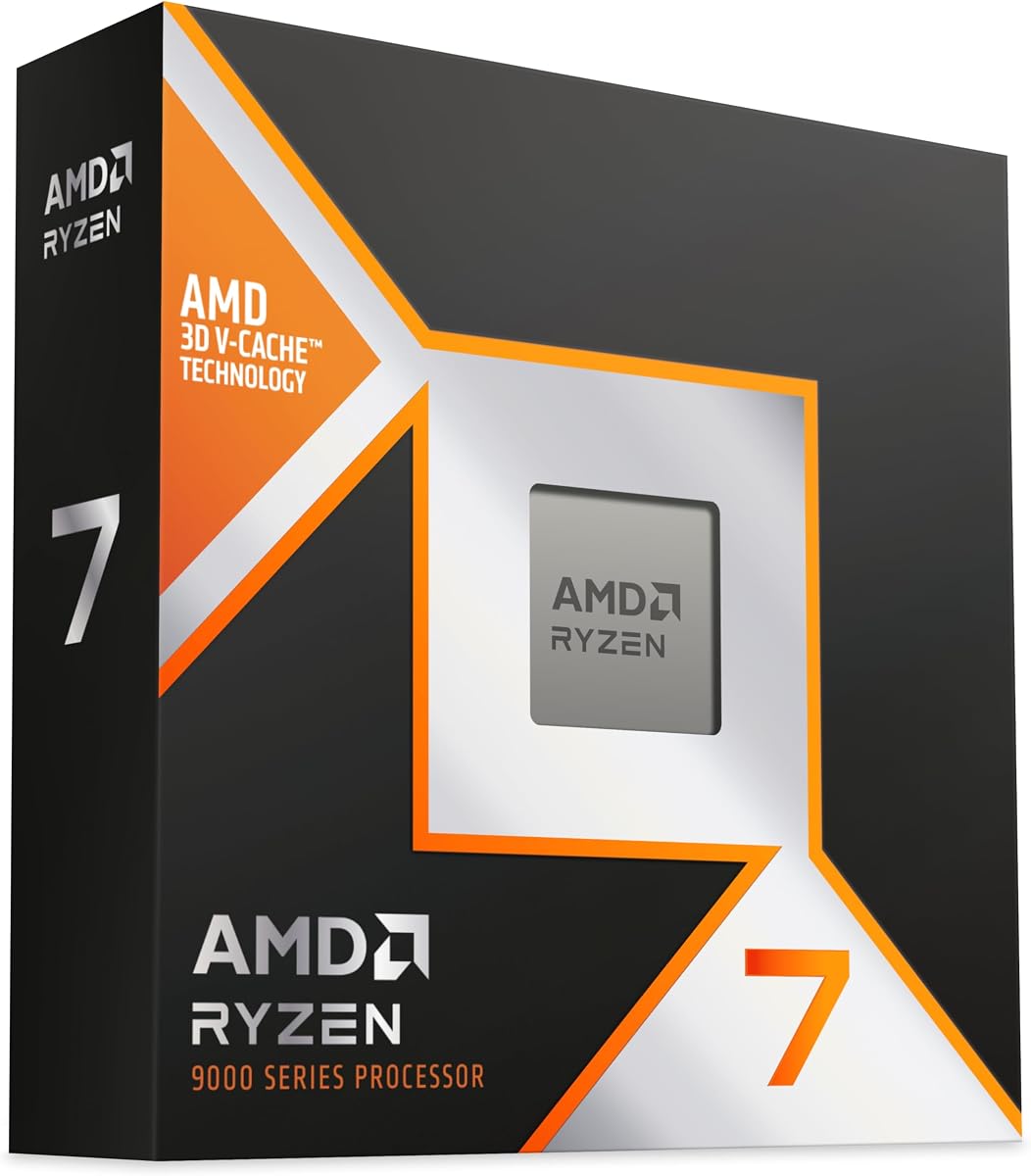


This processor stands out as a top choice for serious 3D rendering tasks due to its powerful core configuration and advanced cache technology. It delivers impressive speeds that significantly reduce rendering times for complex scenes compared to previous generations.
We may earn a commission when you buy through this link, at no additional cost to you.
The combination of high core counts and elevated boost clocks allows for efficient handling of both viewport interaction and final frame calculations. Its architecture is optimized to maximize throughput during heavy computational loads common in professional production environments.
While it offers outstanding capabilities users should be aware that it requires a robust cooling solution to maintain peak performance under sustained loads. The price reflects its position as a high-performance component intended for professional workflows rather than casual use.
If you are a professional artist or studio owner needing maximum productivity from your rendering stations this processor is an excellent investment. It balances raw power with efficiency to ensure your work pipeline remains smooth and responsive.
The large cache memory helps reduce latency when accessing frequently used geometry data during scene evaluation and simulation tasks.
Beyond rendering this chip handles video editing and simulation tasks equally well making it a versatile choice for creative professionals.
We may earn a commission when you buy through this link, at no additional cost to you.
The Ryzen 7 7800X3D brings advanced 3D cache technology to a more accessible price point making it ideal for budget-conscious creators. It provides fast execution of tasks with maximum efficiency for a wide range of rendering applications.
We may earn a commission when you buy through this link, at no additional cost to you.
Its eight core configuration is well optimized for tasks that rely heavily on single-thread performance while the large cache memory improves data access speeds significantly. This design choice leads to smooth interactions in 3D software even with complex geometry loads.
While it may not match the raw throughput of higher core count models in heavy multi-threaded scenarios it offers excellent value for the performance it delivers. Users should consider their specific workload needs to ensure this chip meets their project requirements.
For freelancers or hobbyists looking to upgrade their rendering capabilities without breaking the bank this processor is a compelling option. It ensures a responsive experience that helps maintain creative momentum during long modeling sessions.
This model allows users to access next-gen cache technology at a fraction of the cost of workstation class alternatives.
The 5nm process technology ensures that power usage remains reasonable even during intensive processing periods reducing overall electricity costs.
We may earn a commission when you buy through this link, at no additional cost to you.
This processor represents the pinnacle of rendering power with its thirty-two cores and sixty-four threads designed for demanding professional software applications. It features incredible boost frequencies and a huge cache that supports heavy multitasking and massive scene complexity.
We may earn a commission when you buy through this link, at no additional cost to you.
The architecture provides eight-channel DDR5 support and an extensive number of PCIe lanes ensuring that data throughput between the CPU and GPUs or storage is not a bottleneck. This makes it suitable for studios that run multiple render jobs or complex simulations simultaneously.
Investment in this tier of hardware is significant and typically justified only by commercial environments where time is money. The cooling requirements are substantial and the platform components can add to the overall build cost for a system.
If you need a dedicated workstation that can handle the heaviest rendering loads without compromise this CPU is the right tool. It ensures that your rendering tasks complete as quickly as possible allowing for faster project turnaround times.
With 64 threads you can run multiple render instances in parallel maximizing the utilization of your workstation hardware effectively.
The 128 PCIe lanes allow for connection of multiple high-speed GPUs and NVMe drives without sharing bandwidth bottlenecks.
We may earn a commission when you buy through this link, at no additional cost to you.
The Ryzen 7 9800X3D is built on Zen5 technology with Next Gen 3D V-Cache to deliver world-class performance for both gaming and content creation tasks. It offers significant IPC uplift and excellent power efficiency which translates to better rendering throughput.
We may earn a commission when you buy through this link, at no additional cost to you.
With a maximum clock speed of up to 5.2GHz this processor ensures fast execution of instructions that rely on single-core performance. The 96MB L3 cache allows for higher clock speeds while maintaining better thermal performance compared to previous generations.
Users should note that a cooler is not included with this purchase so you will need to budget for a high-quality solution to manage heat. The drop-in ready design for Socket AM5 infrastructure makes upgrading existing systems straightforward for many users.
This chip is perfect for those who prioritize clock speed in their rendering workflow and want to utilize the latest AM5 platform features. It provides a reliable and fast execution environment for complex 3D tasks.
The new architecture delivers more instructions per cycle ensuring that every watt of power contributes to faster rendering results.
Choosing this processor means investing in a socket that will support future CPU upgrades without changing the motherboard.
We may earn a commission when you buy through this link, at no additional cost to you.
This processor is designed as the best for creators meeting the best for gamers with ultra-fast performance suitable for the world's most popular games and rendering tasks. It provides 16 cores and 32 processing threads based on AMD Zen 5 architecture for robust multitasking.
We may earn a commission when you buy through this link, at no additional cost to you.
With a max boost speed of 5.7GHz this chip is unlocked for overclocking allowing enthusiasts to push performance boundaries further. It supports DDR5-5600 memory and can utilize PCIe 5.0 on select motherboards for the latest connectivity standards.
Since the cooler is not included and a liquid cooler is recommended users must ensure they have adequate cooling solutions ready for installation. The state-of-the-art Socket AM5 platform offers support for future hardware advancements and improved bandwidth options.
For workflows that rely heavily on multi-threaded rendering this CPU provides ample processing power to handle complex scenes efficiently. It strikes a balance between single-thread responsiveness and multi-core throughput for versatile usage scenarios.
The unlocked multiplier allows advanced users to fine-tune clock speeds for specific rendering optimizations or overclocked workloads.
Supporting the latest PCIe 5.0 standards ensures compatibility with high-speed storage and graphics cards now and in the future.
We may earn a commission when you buy through this link, at no additional cost to you.
The Ryzen 5 9600X offers pure gaming performance with smooth frame rates which can also translate to responsive viewport performance for 3D work. It is based on AMD Zen 5 architecture providing a solid foundation for modern computing tasks and rendering.
We may earn a commission when you buy through this link, at no additional cost to you.
With six cores and twelve processing threads this processor delivers a capable balance for entry-level content creation and rendering needs. The unlocked design allows for overclocking while supporting fast DDR5-5600 memory for improved system responsiveness and bandwidth.
Users should be aware that it comes without a cooler so purchasing a separate cooling solution is necessary for safe operation. The AM5 platform ensures that you can take advantage of PCIe 5.0 on select motherboards for future upgrades.
For those building a new system on a budget who still want modern platform features this CPU is a strong contender. It provides reliable and fast execution of instructions ensuring convenience and feasibility for daily tasks.
This model brings the latest Zen 5 architecture to a lower price point allowing wider access to modern performance levels.
Building with AM5 ensures longevity as the socket supports future CPUs without requiring immediate motherboard replacement.
We may earn a commission when you buy through this link, at no additional cost to you.
This processor is designed for demanding professional software applications offering 16 cores and 32 threads for robust processing power. It operates at a steady 4GHz base clock ensuring consistent performance during long rendering sessions without throttling issues.
We may earn a commission when you buy through this link, at no additional cost to you.
Supporting DDR4 3200 memory this chip provides a reliable platform for workstations that do not require the absolute latest DDR5 speeds. Its workstation class design ensures stability and reliability for mission-critical rendering tasks in professional environments.
While it utilizes older DDR4 standards it remains a strong performer for many legacy workstation builds that already have compatible memory investments. The packaging is robust and designed for server or high-end desktop chassis configurations often used in production.
If you need a stable and reliable processor for continuous rendering loads and have existing DDR4 memory this option is worth considering. It delivers dependable execution of tasks with maximum efficiency for complex 3D scenes.
The architecture prioritizes consistency and reliability which is essential for rendering farms or long-running simulation jobs.
Support for DDR4 allows users to leverage existing memory investments while upgrading to a powerful new processing unit.
We may earn a commission when you buy through this link, at no additional cost to you.
This limited Amazon model supports PCIe 5.0 and DDR5 making it a forward-looking choice for those wanting high bandwidth connectivity. It features 24 cores split into 8P and 16E cores to handle various workloads efficiently with power management in mind.
We may earn a commission when you buy through this link, at no additional cost to you.
With a maximum frequency of up to 5.50 GHz this processor ensures fast execution of instructions for demanding 3D rendering tasks. The LGA 1851 socket requires compatible motherboards but offers a path for future Intel architecture upgrades and features.
Users should be aware this is an Amazon.co.jp exclusive product which might affect shipping or availability depending on your region. It is designed for those who prioritize specific Intel features and want a high core count hybrid architecture.
If you prefer Intel architecture and want a modern socket with high core counts this option provides robust performance for rendering. It supports motherboards with Intel 800 series chipset for reliable and stable system operation.
Combining performance and efficiency cores allows the system to optimize power usage while maintaining high speeds for active rendering.
PCIe 5.0 support ensures you can utilize the fastest GPUs and storage devices without bandwidth limitations slowing down the workflow.
We may earn a commission when you buy through this link, at no additional cost to you.
This processor provides powerful content creation and game performance with 16 cores and 32 processing threads based on AMD Zen 3 architecture. It is unlocked for overclocking allowing users to push performance beyond standard limits for heavy rendering work.
We may earn a commission when you buy through this link, at no additional cost to you.
With a max boost of 4.8GHz this chip supports DDR4-3200 memory and is designed for the AMD Socket AM4 platform with PCIe 4.0 support. It offers a high core count at a competitive price point for those upgrading from older systems.
Since it does not include a cooler users must ensure they have adequate cooling solutions ready for the thermal output of this 16 core unit. The platform support for PCIe 4.0 ensures compatibility with modern GPUs and storage drives.
For those sticking with AM4 systems this is one of the best options available for multi-threaded rendering tasks. It balances raw processing power with cost efficiency making it a solid choice for budget-conscious professional workstations.
Maximizing the potential of the AM4 socket allows for cost-effective upgrades without needing to change motherboards.
Sixteen cores provide substantial power for multi-threaded rendering jobs enabling faster completion of complex 3D tasks.
We may earn a commission when you buy through this link, at no additional cost to you.
This processor is designed for desktop use offering a high-performance design optimized for various demanding workloads. It features an advanced cache system that improves data access speeds for faster and more efficient rendering processes.
We may earn a commission when you buy through this link, at no additional cost to you.
While specific core counts are not fully detailed in all summaries the architecture suggests robust processing capabilities suitable for modern content creation. It ensures dependable execution of tasks with maximum efficiency for complex 3D scenes and simulations.
The desktop form factor is boxed processor design allows for straightforward installation into compatible systems. It is part of the latest generation of Ryzen processors bringing the benefits of new architecture to mainstream and prosumer builds.
If you seek a balanced processor that handles 3D rendering without the premium cost of the highest end workstation chips this is a great choice. It provides reliable power for daily creative tasks.
Designed to handle a mix of gaming and creation tasks this CPU offers a balanced performance profile for diverse users.
The enhanced cache system reduces latency during data access speeding up the rendering process significantly for larger scenes.
We may earn a commission when you buy through this link, at no additional cost to you.
Selecting the right CPU requires understanding how core counts, clock speeds, and architecture impact your specific rendering workflow and software needs.
Core count determines how many tasks a CPU can handle simultaneously. For 3D rendering higher core counts allow parallel processing of geometry calculations and shading tasks reducing total render times. Look for processors with at least 8 cores for decent performance and 16 cores or more for professional workflows. Threads further enhance multitasking allowing background tasks to run without slowing down the main rendering process. If you run multiple jobs or simulate physics while modeling threads are equally important.
Clock speed measured in GHz determines how quickly a single core can process instructions. Many 3D applications rely on single-threaded performance for viewport navigation and interactive modeling. Higher base and boost clocks ensure smoother interaction when working with large scenes. While multi-threading handles final rendering fast single-core performance is critical for productivity during the design phase. Aim for models with high boost frequencies to maintain responsiveness across all stages of production.
Cache memory stores frequently used data close to the processor to reduce latency. For 3D rendering a large L3 cache allows for faster access to geometry and texture data during simulation and calculation. AMDs 3D V-Cache technology significantly boosts performance in specific applications by stacking additional cache on top of the processor. If your software benefits from high cache bandwidth investing in a model with large cache will improve frame rates and reduce bottlenecks in data transfer.
The socket type determines which motherboards a CPU fits. Choosing a current platform like AM5 or LGA 1851 ensures future upgrade paths and support for new features like PCIe 5.0. Older sockets like AM4 offer great value but lack support for newer memory standards and connectivity. Ensure your motherboard supports the CPU generation and offers sufficient power delivery for high-end models. A compatible platform allows for DDR5 memory support which is essential for high bandwidth in rendering tasks.
Modern rendering engines utilize RAM heavily to store scene data. Choosing a CPU that supports DDR5 ensures higher bandwidth and faster data transfer between the CPU and memory. Most current generation processors support DDR5 speeds of 5600MHz or higher. Ensure your motherboard and CPU support the memory speeds you plan to use. Sufficient memory bandwidth prevents bottlenecks during complex scene loading and texture streaming operations.
TDP indicates the heat output of a processor under load. Higher TDP models require better cooling solutions to maintain peak performance. Ensure your cooling system matches the CPU requirements to prevent thermal throttling. Proper cooling ensures stable clock speeds and longer hardware lifespan. Consider liquid cooling for high core count models to manage heat effectively during extended rendering sessions.
Balance the cost of the CPU with your specific needs. Budget models offer great performance for hobbyists but may lack features needed for professional workloads. Mid-range options provide the best value for freelancers needing reliable performance. High-end workstation processors justify their cost through reduced render times in commercial production. Always compare specs against your primary software requirements to find the best value ratio for your setup.
Choosing a platform with upgrade potential extends the life of your workstation. Look for processors that support PCIe 5.0 and future CPU generations without a motherboard swap. Newer architectures improve efficiency and performance over time. Investing in a current socket allows you to upgrade to newer processors later. This approach protects your investment and keeps your rendering station relevant for years.
Ensure proper thermal paste application during installation to maximize heat transfer between the CPU and the cooler. A good seal prevents air pockets that cause hot spots and thermal throttling during long rendering sessions. Always mount the cooling solution firmly to avoid movement that damages the socket.
Modern architectures like Zen 5 and Arrow Lake provide excellent efficiency and high clock speeds. AMD processors with 3D V-Cache often show significant performance gains in specific rendering workloads. Look for current generation cores that balance single-thread performance with high multi-thread counts for the best results.
For basic rendering 8 cores are often sufficient. Professional workloads benefit significantly from 16 cores or more. Higher core counts allow for parallel processing of complex scenes reducing total time spent waiting for final output.
3D cache is highly beneficial for applications that rely heavily on geometry data access. It reduces latency during simulation and viewport navigation improving overall workflow speed. While not strictly necessary for all workflows it can significantly boost performance in specific scenarios.
High-end processors often require effective cooling to maintain boost clocks. A high-quality air cooler can work but liquid cooling is recommended for sustained loads. Always check the CPU manufacturer recommendations for TDP and cooling solutions.
Clock speed determines single-core performance which is vital for interactive modeling tasks. While final renders rely on multi-core performance high single-thread speeds keep the viewport smooth. Look for CPUs with high boost frequencies to balance both aspects.
AM5 supports DDR5 memory and PCIe 5.0 making it future proof for new builds. AM4 offers cost-effective upgrades but lacks support for newer memory standards. For new workstations AM5 is the better choice to ensure longevity and modern connectivity.
Our top picks highlight a range of options from affordable high-cache models to premium workstation solutions. Each processor offers unique strengths that can significantly improve your rendering workflow and overall system responsiveness. Selecting the right model depends heavily on your specific software needs and budget constraints.