
M350 AUPHY Mechanical Metronome
4.4Editor score
Classic shape design
Accent bell included
PC material body
This guide compares the top ten mechanical metronome for piano options to help you find the perfect tool for rhythm practice and musical accuracy today.
Finding the right mechanical metronome for piano can transform your practice sessions significantly. These classic devices offer a tactile and auditory experience that digital tools often cannot replicate for serious musicians.
We have carefully analyzed ten highly rated models based on build quality, sound clarity, tempo range, and ease of use. Our evaluation ensures you get reliable timing without needing batteries or complex settings.
Each pick highlights key features and real user feedback to guide your decision. Please note that product availability and pricing can fluctuate, so check current details before purchasing your ideal device.
4.4Editor score

4.4Editor score

4.6Editor score
This side-by-side comparison highlights the core specifications of each mechanical metronome to help you choose the perfect rhythm tool for your needs.
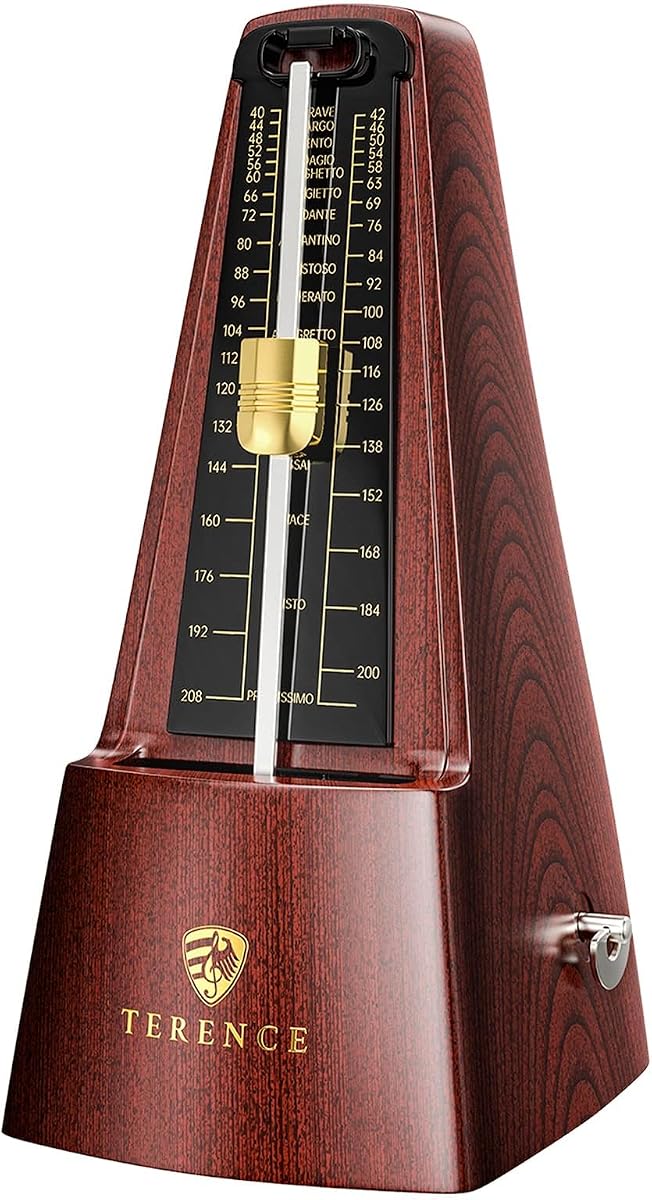


This mechanical metronome for piano stands out with its reliable wind-up mechanism and loud sound suitable for most instruments. It holds a strong 4.4 star rating from users who appreciate its simplicity and durability during daily practice routines.
We may earn a commission when you buy through this link, at no additional cost to you.
The device features a classic pyramid shape with a pendulum that provides a visual cue alongside the auditory click. Users report that the bell ring option helps accentuate beats, making it easier to maintain complex rhythms like 3/4 or 6/8 time signatures.
While the plastic casing feels sturdy, it may not appeal to those seeking a vintage wooden aesthetic. However, the trade-off is a lightweight and affordable tool that performs consistently without needing batteries or electronic components.
Beginners and intermediate players looking for a straightforward rhythm guide will find this model highly effective. It is an excellent choice for building musical awareness and maintaining accurate tempo during practice sessions.
The pendulum swing offers a clear visual rhythm that complements the audible click, helping users internalize tempo more effectively than silent apps.
Setting up the tempo involves sliding the weight and removing the brake, a simple process that allows children and adults to start practicing immediately.
We may earn a commission when you buy through this link, at no additional cost to you.
This model combines a classic wood grain appearance with a metal movement mechanism for enhanced durability and precision. It is designed to help beginners master rhythm skills with a high-quality feel that justifies its budget-friendly price point.
We may earn a commission when you buy through this link, at no additional cost to you.
The metal construction ensures the movement remains stable over time, reducing errors in tempo that can occur with cheaper plastic parts. Users value the high precision track which allows for consistent beat tracking across the full 40 to 208 BPM range.
The finish looks elegant on a piano bench, though the unit is somewhat heavier than plastic alternatives which might make it less portable. Despite this, the added weight contributes to stability on flat surfaces during vigorous practice.
Students and hobbyists seeking an affordable yet durable option will find this mechanical metronome for piano ideal. It provides a solid foundation for developing a strong sense of rhythm without a high cost.
The internal gears are made of metal to ensure long-term reliability and precise beat generation without the need for frequent replacements or adjustments.
Simple controls and clear markings allow new users to adjust tempo and beats quickly, fostering confidence in early music practice.
We may earn a commission when you buy through this link, at no additional cost to you.
The Tempi Metronome features a beautiful brown grain veneer that looks like a classic wooden device. It offers a high user rating due to its stylish design and reliable performance using steel gears for durability.
We may earn a commission when you buy through this link, at no additional cost to you.
Users appreciate the attention to detail which includes a free microfiber cleaning cloth to keep the surface pristine. The steel gears ensure the tempo remains accurate over long periods, making it suitable for serious daily practice.
While it costs more than basic plastic models, the aesthetic appeal and warranty coverage provide added value. Some users note the weight is manageable but not as heavy as all-metal options, which keeps it stable on desks.
Music lovers who value the look of their equipment will enjoy this device. It is a great choice for those who want a tool that complements their musical environment while delivering precise timing.
The elegant brown grain veneer gives the metronome a classic look that serves as a stylish decor piece on any music stand or piano bench.
Steel gears are used internally to prevent wear and tear, ensuring the device maintains its accuracy for years of regular use.
We may earn a commission when you buy through this link, at no additional cost to you.
This metronome uses a classic pyramid shape with a lowered center of gravity for maximum stability. It is well-regarded for its accurate beat and distinct accent bell which helps identify the first beat of a measure clearly.
We may earn a commission when you buy through this link, at no additional cost to you.
The body is made of high-strength PC material that protects the internal metal clockwork. Users report that the gears are tightly fitted and do not rust, ensuring the device lasts long even in varying humidity conditions.
The transparent dust cover keeps the movement clean while allowing you to see the mechanism at work. This practical design adds to its appeal as a functional and decorative tool for home or studio use.
Students and teachers will find this model reliable for teaching rhythm concepts. Its stability and clear sound make it a practical choice for both practice and performance settings.
The lowered center of gravity ensures the metronome stays firmly in place on uneven surfaces, preventing slips during intense practice sessions.
An accent bell highlights the downbeat, aiding musicians in understanding rhythmic structure and keeping time within complex musical pieces.
We may earn a commission when you buy through this link, at no additional cost to you.
This model features a classic walnut color that adds elegance to any practice space. It is designed specifically to help beginners develop a strong sense of rhythm with a loud and high-precision beat.
We may earn a commission when you buy through this link, at no additional cost to you.
The transparent cover protects the internal movement while allowing visual tracking of the pendulum. Users appreciate the loud sound which cuts through ambient noise, ensuring they never lose the beat during solo practice.
The mechanical design eliminates the need for batteries, making it a reliable tool for travel or long sessions. While it may lack advanced features, it excels at the core function of keeping time accurately.
New musicians will find the intuitive controls easy to master quickly. It serves as a solid introduction to mechanical timekeeping without overwhelming complexity or cost.
The combination of a visible pendulum and loud click helps users internalize tempo more effectively than silent digital alternatives.
Simple operation and high precision beat make this tool ideal for establishing good habits early in a musical journey.
We may earn a commission when you buy through this link, at no additional cost to you.
This universal metronome offers multiple color options including standard black to fit any aesthetic. It boasts a high user rating due to its easy use for children and heavy bell sound that is easy to hear.
We may earn a commission when you buy through this link, at no additional cost to you.
The movement is made of high-hardness plastic and metal for precise rhythm and stable performance. This construction ensures durability without sacrificing accuracy during daily practice routines.
A 30-day unconditional return policy gives buyers peace of mind when trying the product. It is a robust choice for those who want a reliable tool without a high price tag or complex features.
Parents and teachers looking for a child-friendly device will appreciate the simple operation. It helps improve rhythm sense quickly and works well across a variety of instruments.
The simple operation and clear sounds make this device very easy for children to use and understand without frustration or complex setup steps.
The heavy bell sound ensures the beat is audible even in noisy environments, making it effective for group classes or busy practice rooms.
We may earn a commission when you buy through this link, at no additional cost to you.
This metronome features a wood grain finish that looks classic and elegant on a desk. It delivers a clear audible click and a crisp tick that helps users stay focused on their notes.
We may earn a commission when you buy through this link, at no additional cost to you.
The design includes a winding key that requires gentle clockwise turns to avoid damaging the mainspring. Users appreciate the precision control which allows for accurate tempo selection across the full range.
While it requires manual winding, the extended runtime of up to 54 minutes at slower tempos makes it efficient. The absence of batteries is a plus for users seeking an eco-friendly and reliable tool.
Players who appreciate a traditional aesthetic will find this model appealing. It combines style with function to provide a dependable rhythm reference for various musical instruments.
The absence of batteries means less waste and more reliable use anywhere without worrying about replacing power sources during practice.
The wood grain finish gives the device a timeless look that complements traditional instruments and practice spaces beautifully.
We may earn a commission when you buy through this link, at no additional cost to you.
This metronome stands out with a unique transparent design that shows the internal mechanism. It uses an all-copper pendulum that does not rust, ensuring longevity and a sturdy build for daily use.
We may earn a commission when you buy through this link, at no additional cost to you.
The upgraded mechanical movement provides loud and clear sound with an accent bell for precise tracking. Users find that it helps them maintain even rhythm and concentration during practice sessions.
Although it has a lower rating due to being a newer product, the design features promise reliability. The ABS material remains bright without yellowing, making it a good visual gift for beginners.
Musicians and dance instructors looking for a modern look will appreciate this model. It is portable and easy to handle, making it versatile for different training environments.
The all-copper pendulum and ABS body ensure the device withstands regular use without corrosion or fading, maintaining a fresh appearance over time.
Designed for piano and dance training, this metronome supports multiple activities with its clear beats and compact portable size.
We may earn a commission when you buy through this link, at no additional cost to you.
This compact model is known for its reliable plastic casing and classic design. It does not include a bell, focusing purely on the steady click which some users prefer for distraction-free timing.
We may earn a commission when you buy through this link, at no additional cost to you.
The high user rating reflects its consistent performance and durable build. It is a straightforward tool that avoids unnecessary complexity, making it easy to set up and use immediately.
Because it lacks bells, it is ideal for musicians who find extra sounds distracting. Its small footprint fits easily on any piano bench or music stand without taking up much space.
Practical musicians seeking simplicity will find this device very effective. It provides a steady reference point for tempo without adding visual or auditory clutter to practice sessions.
The absence of bells allows for a pure click that keeps focus on the rhythm and notes without additional auditory cues.
Wittner is a trusted name in metronomes, offering high reliability and classic design that musicians have used for generations.
We may earn a commission when you buy through this link, at no additional cost to you.
This model emphasizes loud and clear sound to ensure the beat is never missed. It is crafted from premium materials with engraved markings for precise tempo adjustments and a user-friendly experience.
We may earn a commission when you buy through this link, at no additional cost to you.
The simple operation involves removing the dust cover and winding the mainspring clockwise. Users find it helpful for beginners and professionals alike who need a reliable beat for various instruments.
While ratings are lower due to build inconsistencies, the sound output is strong. The loud delivery ensures effective rhythm mastery even in rooms with background noise or echoes.
Those prioritizing volume over aesthetic will find this option practical. It meets daily training needs for exam candidates and educators looking for a loud and durable tool.
The loud clear sound is designed to cut through noise, ensuring the beat is audible even in busy environments.
Simple steps for setup and adjustment allow users to focus on playing rather than navigating complex controls.
We may earn a commission when you buy through this link, at no additional cost to you.
Selecting the right mechanical metronome involves considering several factors that affect usability and sound.
Ensure the metronome covers the BPM range needed for your repertoire. Most models offer 40 to 208 BPM, which suits classical and jazz pieces.
Look for a wide range to accommodate both slow études and fast etudes.
Check if the device has a bell to accentuate the downbeat. Options like 2, 3, 4, 6 beats help with compound meters.
Models without bells offer pure clicks for focused rhythm practice.
Metal movements tend to last longer than plastic gears. High-quality casings prevent dust from interfering with the mechanism.
Prioritize durable materials like metal or reinforced plastic for longevity.
A loud sound is essential if you practice in noisy environments. Ensure the click is clear and distinct without being too harsh.
Test the volume levels if possible before purchasing.
Some prefer classic wood grain while others like modern transparent designs. Consider how it fits with your home decor.
Select a style that motivates you to keep the device visible.
Simple controls like sliding weights and clear markings help beginners. Avoid overly complex setups that take time to adjust.
Choose user-friendly mechanisms for quick practice starts.
Wind-up mechanisms eliminate the need for batteries. This makes the device ready to use anywhere without power sources.
Ensure the wind-up spring offers enough runtime for your sessions.
Prices vary widely based on materials and brand reputation. Look for warranties that cover mechanical defects.
Balance cost with the durability features you need.
Place the metronome on a flat stable surface before winding the key clockwise until you feel slight resistance. Do not force it past this point to avoid damaging the mainspring.
Remove the pendulum hook and slide the weight to your desired tempo. Set the beat selection to 0, 2, 3, 4, or 6 depending on your needs.
Flick the pendulum to start the ticking and listen to the rhythm. Clean the exterior with a soft cloth to prevent dust buildup inside the casing.
No, mechanical metronomes run on a wind-up spring mechanism. You simply turn the key to store energy and release it to generate the ticking sound. This means you never have to buy replacements for power.
The click is the standard beat sound. A bell rings on the first beat of a measure to help you identify the downbeat. This is helpful for complex time signatures like 3/4 or 6/8.
Most models have a brake or stopper at the bottom. Pulling it out halts the pendulum movement instantly. Some also allow you to catch the pendulum with your hand gently.
Yes, the rhythmic click helps drummers maintain a steady groove. The sound is loud enough to be heard over drum practice. It provides a visual cue that helps with timing.
Uneven ticking usually means the device is not level. Place it on a flat surface. If it still ticks unevenly, internal gears may be worn or the pendulum may be bent.
Runtime depends on the tempo. Slower tempos like 40 BPM can last over 40 minutes on a full wind. Faster tempos like 208 BPM use energy faster and last shorter.
We highlighted ten top-rated mechanical metronome for piano options ranging from budget to premium designs. Each model offers unique features to support your musical growth and rhythm training.
Prioritize build quality and sound clarity to ensure long-term satisfaction. A reliable metronome helps develop consistent timing and improves overall performance skills.
Always check current product details and prices before buying since availability varies. This guide aims to help you choose the perfect tool for your practice routine.