
EVISTR Digital Voice Recorder
4.2Editor score
64GB storage capacity
Voice activated recording
USB-C connectivity
Compare the top 10 handheld recorders for journalists based on audio quality, portability, and features to find the ideal device for your reporting needs.
Finding the right handheld recorder is crucial for journalists who need clear audio in noisy environments. A good device captures interviews and events with precision, ensuring your story sounds professional and authentic every time.
We compared ten top models based on microphone quality, battery life, storage options, and ease of use. Each product offers unique strengths for field reporting, from basic voice capture to advanced multi-track recording capabilities.
Each pick below highlights key features and real-world performance for daily use. Prices and availability change frequently, so check current listings before purchasing to ensure you get the best value for your equipment needs.
4.2Editor score
4.2Editor score

4.7Editor score
This side-by-side comparison highlights key specifications for each recorder to help you decide which model fits your specific reporting requirements and budget constraints.




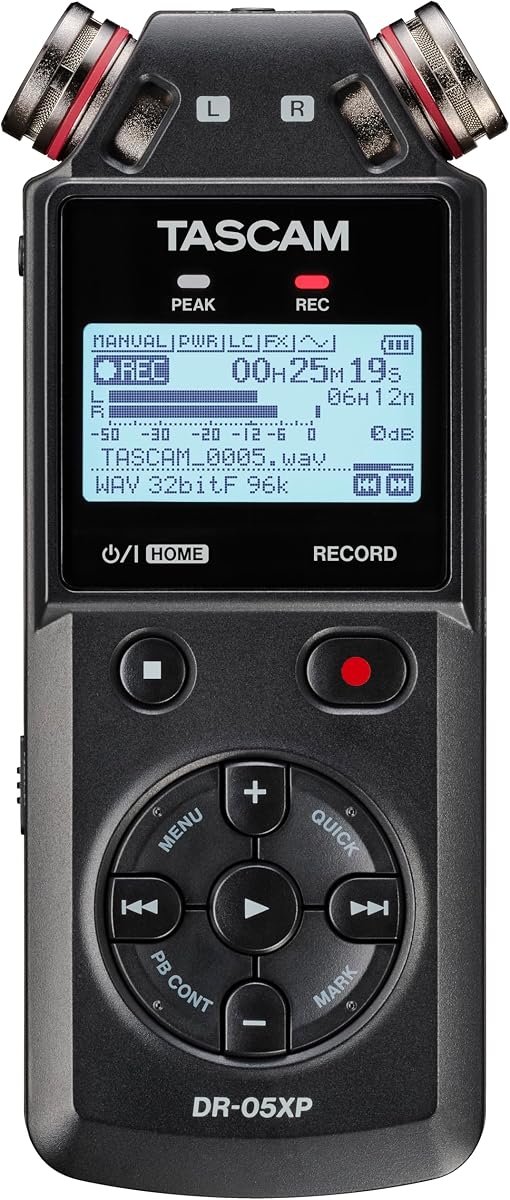
The TASCAM DR-05XP delivers high-fidelity audio with 32-bit float recording to prevent distortion. Its compact design makes it easy to carry during field assignments.
We may earn a commission when you buy through this link, at no additional cost to you.
Built-in omnidirectional microphones capture clear sound even in challenging environments. The USB-C interface allows direct connection to computers for quick file transfers.
Battery life is decent but requires AA cells which are not included. Basic controls are straightforward but lack some advanced editing options found in higher-end models.
Ideal for journalists needing reliable quality without heavy equipment. This recorder balances performance and portability for daily news gathering.
The 32-bit float capability ensures recordings remain clear regardless of volume spikes during interviews.
USB-C functionality doubles as an audio interface for direct computer recording.
We may earn a commission when you buy through this link, at no additional cost to you.
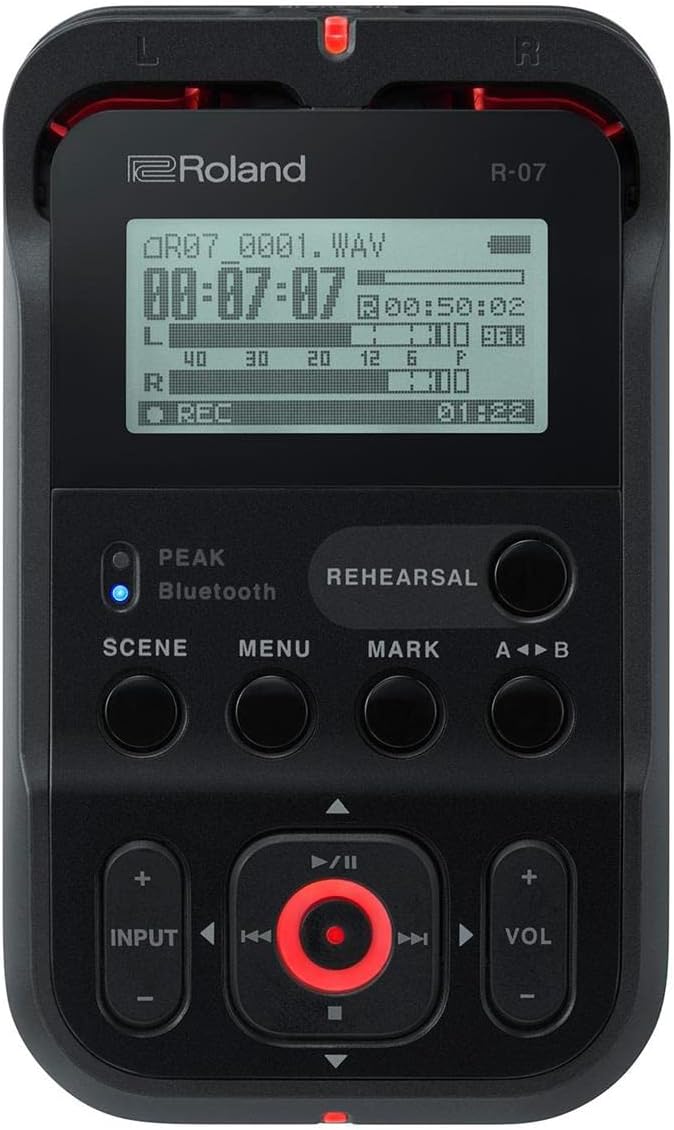
The Roland R-07 offers excellent sound quality with Bluetooth controls for wireless monitoring. Its high-resolution recording preserves details essential for professional reporting.
We may earn a commission when you buy through this link, at no additional cost to you.
Integrated stereo microphones capture audio accurately without external gear. The built-in speaker provides immediate playback checks during field use.
While powerful, the cost may be prohibitive for basic needs. Advanced input options are limited compared to dedicated multi-track recorders.
Great for journalists needing wireless flexibility and reliable audio. It stands out for ease of use and portability.
Bluetooth support enables remote monitoring and control via smart devices.
WAV recording up to 96kHz ensures archival-quality sound.
We may earn a commission when you buy through this link, at no additional cost to you.
This EVISTR recorder provides 64GB storage for thousands of hours of recordings at a low cost. Voice activation helps capture only relevant audio efficiently.
We may earn a commission when you buy through this link, at no additional cost to you.
Noise reduction technology improves clarity even in noisy settings. The USB-C charging is convenient for modern workflows.
Audio quality is good for notes but lacks professional fidelity. Controls are basic and not suited for complex recording scenarios.
Perfect for journalists needing a secondary backup or personal notes. It delivers strong value for basic reporting tasks.
64GB memory stores months of interview recordings without needing SD cards.
Voice activated recording prevents battery waste on silence.
We may earn a commission when you buy through this link, at no additional cost to you.
The Tonfarb recorder stands out with password protection for securing sensitive interview data. One-click recording ensures you never miss spontaneous moments.
We may earn a commission when you buy through this link, at no additional cost to you.
It offers significant storage and battery life for extended fieldwork. PCM recording provides clear audio for general use.
Audio quality is functional but not professional grade. The screen is small and navigation can be fiddly.
Useful for journalists prioritizing data security. Its simplicity makes it a reliable tool for basic recording.
Password protection keeps sensitive recordings private on the device.
One-click recording allows immediate capture without navigating menus.
We may earn a commission when you buy through this link, at no additional cost to you.
The Zoom H5 is a powerful tool with interchangeable input capsules for versatile recording. Four-track simultaneous recording enables complex field production.
We may earn a commission when you buy through this link, at no additional cost to you.
It supports external mics via XLR inputs for professional setups. The X/Y capsule provides high-quality stereo sound out of the box.
Price and accessory needs may be steep for casual users. It is a professional tool best suited for serious production.
Ideal for journalists needing production-grade audio. Its flexibility makes it future-proof for evolving needs.
Interchangeable capsules allow adaptation to different recording scenarios.
Four-track capability supports detailed multi-source audio capture.
We may earn a commission when you buy through this link, at no additional cost to you.
The Tascam DR-40 provides four-track recording capabilities in a compact package. It includes built-in stereo microphones and XLR inputs for flexibility.
We may earn a commission when you buy through this link, at no additional cost to you.
Audio quality is high and suitable for field interviews. It is a robust device designed for portable use.
The design is dated and lacks modern connectivity features. USB functionality is primarily for data transfer.
Recommended for journalists needing multitrack audio on a budget. It offers reliable performance without extra complexity.
Four-track recording allows layered audio capture for interviews.
Portable design ensures easy transport to remote locations.
We may earn a commission when you buy through this link, at no additional cost to you.
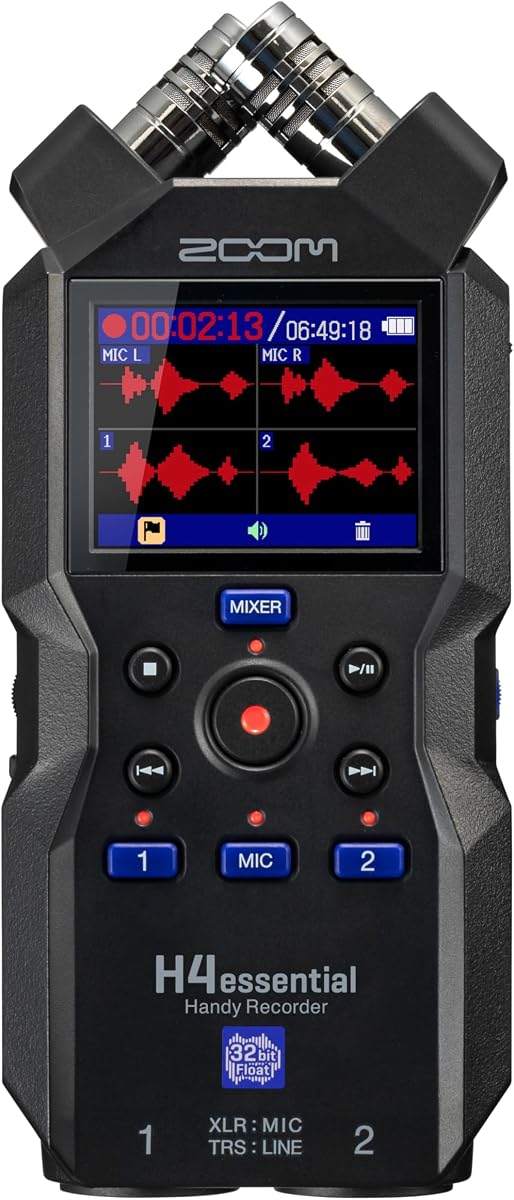
The Zoom H4 Essential offers solid four-track recording with USB-C streaming capabilities. It connects easily to phones and computers for modern workflows.
We may earn a commission when you buy through this link, at no additional cost to you.
Built-in microphones deliver clear sound and external inputs are available. Spoken menu guidance makes it accessible for all users.
Lack of a headphone jack limits immediate monitoring. It balances features for intermediate users well.
Great for journalists needing versatile input options. It serves well for podcasting and field recording.
USB-C allows seamless streaming and recording directly to devices.
Spoken guidance ensures navigation is easy for everyone.
We may earn a commission when you buy through this link, at no additional cost to you.
Pocket combines recording with AI transcription to streamline workflow for journalists. It captures conversations and instantly summarizes key points.
We may earn a commission when you buy through this link, at no additional cost to you.
The battery lasts up to four days and MagSafe allows easy mounting. Smart organization helps manage large files efficiently.
Audio recording hardware is not professional grade for broadcast. Advanced features require optional subscriptions.
Best for journalists needing efficient note-taking and transcription. It complements standard recorders for reporting tasks.
Automatic transcription saves hours of manual note-taking after interviews.
MagSafe attachment keeps the device secure for hands-free use.
We may earn a commission when you buy through this link, at no additional cost to you.
The Zoom H1 Essential is designed for quick and easy audio capture. It offers clear stereo sound suitable for video voiceovers.
We may earn a commission when you buy through this link, at no additional cost to you.
Portable and lightweight for daily carry. USB-C connectivity supports streaming for live reporting.
Audio quality is good but limited for complex setups. No external inputs restrict flexibility.
Perfect for journalists on the go. Its simplicity and portability make it ideal for quick captures.
Ready when inspiration hits for spontaneous audio recording.
Connects via USB-C for use as a desktop mic.
We may earn a commission when you buy through this link, at no additional cost to you.
The Zoom H2 Essential features nine selectable mic patterns for versatile field recording. It captures ambient sound effectively for context.
We may earn a commission when you buy through this link, at no additional cost to you.
32-bit float recording ensures no audio clipping during loud moments. Bluetooth timecode helps sync multiple units.
Compact size limits battery life slightly. Manual controls are minimal compared to larger models.
Great for journalists capturing environmental audio. Its flexibility makes it a strong companion device.
Nine microphone patterns adapt to any sound environment.
32-bit float ensures clean audio regardless of volume.
We may earn a commission when you buy through this link, at no additional cost to you.
Selecting the right recorder involves weighing audio quality against portability and features suited for field work.
Look for high-resolution formats like WAV and bit rates of 24-bit or higher. 32-bit float is ideal for unpredictable volume levels.
Prioritize models with high sample rates to ensure archival quality sound.
Built-in mics should have noise reduction features for clarity. External inputs like XLR offer flexibility for professional gear.
Ensure the device supports stereo recording for natural sound.
Long battery life is essential for extended field assignments. Models with AA batteries are easier to swap globally.
Rechargeable options save money but require access to power.
High internal storage or SD card support is critical. More space means less frequent file transfers.
Consider cloud connectivity for immediate backup of files.
A compact device fits easily in a reporter bag. Weight matters when walking long distances.
Ergonomic design prevents fatigue during prolonged use.
USB-C is standard for modern file transfers and streaming. Bluetooth allows wireless control and monitoring.
Check compatibility with your existing devices for workflow.
Simple controls help when recording quickly. Clear menus reduce errors during interviews.
Physical buttons are often more reliable than touch screens.
Rugged housing withstands rough handling during travel. Metal construction is more durable than plastic.
Check for weather resistance if working outdoors.
Always check battery levels and storage before heading out. A quick test recording ensures settings are correct.
Keep the device in a protective case to prevent physical damage. Clean microphones gently with a soft brush.
Organize files immediately after interviews to avoid confusion. Label recordings with date and location details.
Use uncompressed WAV format for the highest audio quality. If storage is a concern, high bitrate MP3 is acceptable. Avoid low-quality formats that lose detail.
Yes, models with XLR or TRS inputs support external mics. This is useful for noisy environments. Check the specific input compatibility before buying.
Use auto-gain features like 32-bit float. Avoid recording at maximum volume manually. Keep the mic close to the speaker for clarity.
Most modern devices connect via USB-C or Bluetooth. Use companion apps for direct file transfer. Check connectivity options in product specs.
Yes, noise reduction filters out background hum. It is vital for outdoor interviews. Ensure it does not affect voice clarity.
Clean the exterior weekly if used daily. Use a soft cloth to remove dust. Keep the battery contacts free of corrosion.
We reviewed ten top models ranging from budget-friendly to premium. The TASCAM DR-05XP and Zoom H5 stand out for audio fidelity.
Choose based on your specific field needs. Portable models like EVISTR suit quick captures while H5 suits professional needs.
Always check current pricing and availability online. Prices change often so verify details before purchase.